Back in the game
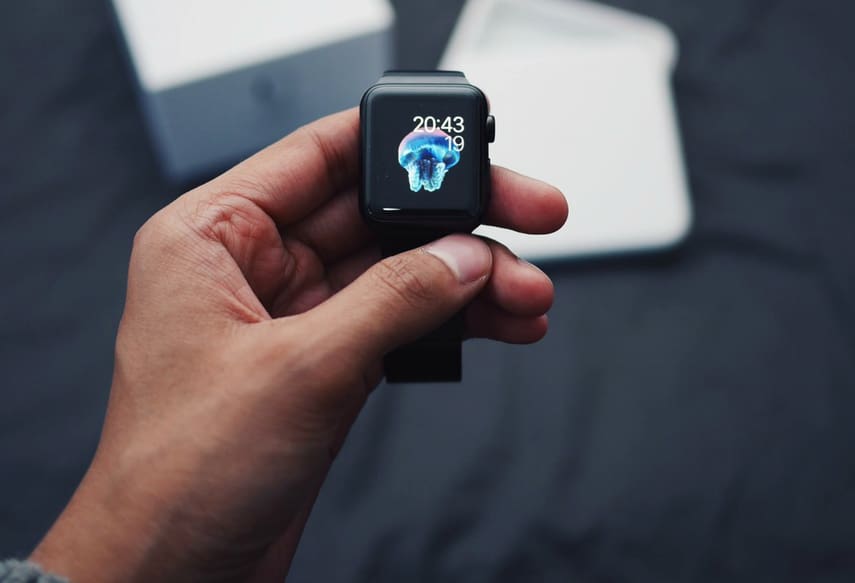
Still think wearables are a dying technology? Think again. A new study from Global Web Index shows that 1 in 10 North Americans own a smart wristband.


Practicality wins
Though you may be over the FitBit fad, or you managed to bypass the temptation of purchasing a smartwatch, not everyone feels the same way. Earlier this month, our staff writer Matt Salter defended wearables calling them “a smooth integration of technology into day to day life.”
The fact that they are practical versus entertaining are what makes them so appealing, especially in the health and fitness market. In fact, cornering this market may be the key to keeping wearables relevant.
The majority of smart wristbands that launched at the most recent Consumers Electronic Show centered on tracking health and fitness habits.
This purpose allows the design to remain simple, making it more affordable and accessible than other innovative technologies.
Around the globe
According to the chart of the day found on Global Web Index, Asians and North Americans are the most likely populations to own wearables.
Asia beats North American slightly, coming in at around 11%. Most of the other regions fall far behind. Latin America reports the lowest number of smart wristband owners at 3%. The Middle East, Africa and Europe are relatively on the same level just below 5%.
A rising industry
There have been many changes in the wearables industry lately, but no signs point to their decline. FitBit recently acquired their competitor Pebble’s software in the hopes to advance their capabilities.
The key to success so far is to remain simple, with minimal design, no flashy features, and most importantly, easy to use. People who own smart wristbands use them because they do exactly what they are meant to. In turn, promoting a healthy lifestyle is something that everyone wants to get on board with.