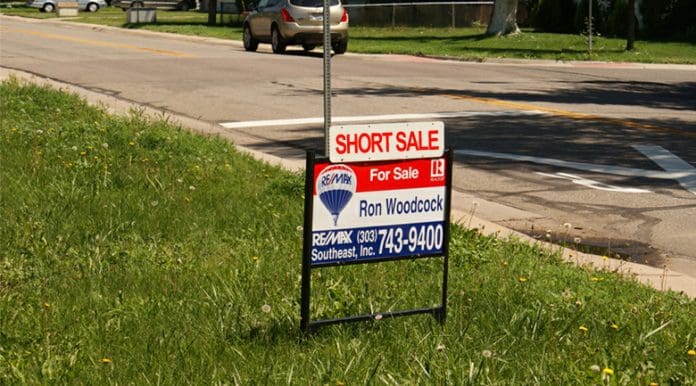


“To be or not to be, that is the question.”
This famous line from Hamlet is possibly one of the most well-known in Shakespeare’s and I often consider this exact question when collecting seller documentation in a short sale transaction. Will the seller cooperate with all of the short sale lender’s requests? Will the bank approve the seller’s hardship? Is the hardship legitimate in the eyes of the short sale lender?
Short Sale Hardships
There are several common hardships that allow for fairly easy short sale processing at most of the major lending institutions. These hardships include job loss, decrease in hours, decrease in wages, illness, divorce, death, military deployment, and incarceration.
However, there are other hardships that make me wonder whether the short sale is meant to be. Often times sellers receive a job transfer to another part of the state or the country, and are forced to sell their home despite the fact that it is the wrong time and they are still current on payments. Other sellers want to unload an investment property because the rent does not cover the investment’s monthly expenses. A third faction includes families that want to upsize or downsize. And, a fourth group includes those who just want to bail because they cannot see the light at the end of the tunnel.
Depending upon the lending institution and also depending upon the noteholder (investor) that owns the note for a particular loan, there may be certain investor guidelines that would impact whether the short sale is approved. Some investors may consider the hardship very seriously, and others may regulate commission and other fees associated with the sale (such as HOA dues, pest control, and settlement expenses, etc.).
With respect to hardship, however, the good news is that the new HAFA guidelines and the new 30-day short sale review requirement (both of which became effective on June 1, 2012) may mean that a whole lot more short sales are possibly meant ‘to be.’