PayPal Beacon could be the next big thing
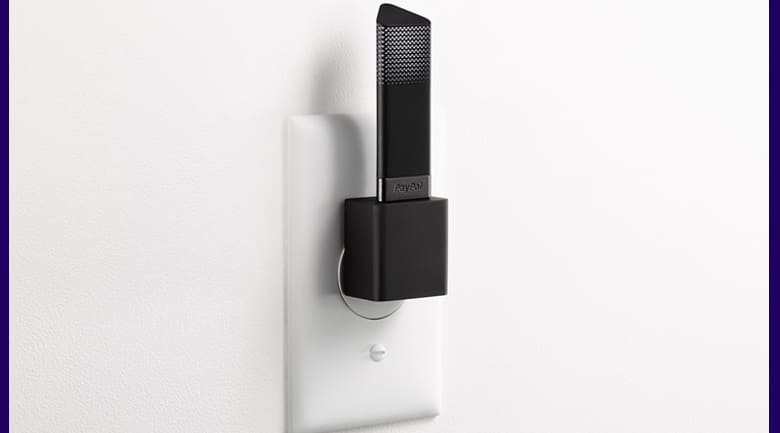
Today, PayPal announced on their blog and demoed at the Tech Crunch Disrupt event what could be the next big thing for mobile payments: PayPal Beacon which is a Bluetooth USB module for merchants that allows consumers to pay hands-free, based on their smartphone using the Beacon app.
With a partial rollout in the fourth quarter of this year and a full rollout early next year, PayPal Beacon could be the first real innovation to mobile payments since the mobile swiper was introduced by Square in 2009.
The PayPal Beacon device doesn’t use GPS, or even wireless networks, rather works by Bluetooth and checks people in and allows them to pay without ever taking their phone out of their pocket, as demonstrated below:
[pl_video id=”youtube” id=”g8h_i8qv1FY”]
How the consumer interacts with PayPal Beacon
According to PayPal, customers simply set up their preferences, allowing themselves to be automatically checked in and charged at venues of their choice, and all charges occur after the transaction is completed, just as it already works in traditional commerce.
PayPal President David Marcus said they considered GPS, wi-fi and geofencing, but decided Bluetooth would be the best move. “Now, instead of finishing a meal at a restaurant by waiting for the server to run your credit card, and then finally return it for your signature, you can simply pay using your PayPal app and leave when you’re ready. And, instead of waiting in a line to pick up and pay for your takeout order, you can order ahead through our new app to skip the line altogether.”
Is this data secure?
Won’t this open up merchants to losing out when consumers leave before paying properly, and won’t consumers be vulnerable to unknowingly being improperly charged? The vulnerabilities are similar to current mobile payment systems, so we don’t predict this will cause too much drama as consumers and merchants learn a new behavior.
Concerning privacy issues, Marcus notes that Beacon won’t “constantly track your location like other technologies,” adding that “If you enter a store and decline to check in, or just ignore the prompt entirely, no information is transmitted to PayPal or the merchant.”
Again, users will be in control of where they want to check in, where they want to approve payments for before they go through, and which should be automatic. The app will notify the user via brief vibration or alert sound when they’ve been checked in, and the user’s photo will appear on the merchant’s point-of-sale screen to confirm it is, in fact, the correct consumer picking up an order.
Next up, copycats
Imitation is the sincerest form of flattery, and is commonplace in the world – Facebook adds a feature, Twitter and Google+ soon add their version of the feature, and so on.
Expect competitors to come out with their own version of automatic check-in and pay systems, not all of which will opt for Bluetooth. The possibility that user fatigue with having to use multiple apps for multiple payment systems is a possibility, and there is an opportunity for a startup to bring the next generation of mobile payment features into a single app. Things are changing, and we believe it is for the better.