
Tuesday, December 23, 2025

Unlock AG Pro Today

Why Now?

AG Pro gives you sharp insights, compelling stories, and weekly mind fuel without the fluff. Think of it as your brain’s secret weapon – and our way to keep doing what we do best: cutting the BS and giving you INDEPENDENT real talk that moves the needle.

Limited time offer: $29/yr (regularly $149)
✔ Full access to all stories and 20 years of analysis
✔ Long-form exclusives and sharp strategy guides
✔ Weekly curated breakdowns sent to your inbox

We accept all major credit cards.

Pro

/ once per week

Get everything, no strings.

AG-curious? Get the full-access version, just on a week-to-week basis.
• Unlimited access, no lockouts
• Full Premium archive access
• Inbox delivery + curated digests
• Stop anytime, no hoops

$
7
$
0

Get your fill of no-BS brilliance.

Pro

/ once per year

All in, all year. Zero lockouts.

The best deal - full access, your way. No timeouts, no limits, no regrets.
A year for less than a month of Hulu+
• Unlimited access to every story
• Re-read anything, anytime
• Inbox drop + curated roundups

$
29
$
0

*Most Popular

Full access, no pressure. Just power.

Free
/ limited

Useful, just not unlimited.

You’ll still get the goods - just not the goodest, freshest goods. You’ll get:
• Weekly email recaps + curation
• 24-hour access to all new content
• No archive. No re-reads

Free

Upgrade later -
we’ll be here!

Unlock AG Pro Today

Why Now?

AG Pro gives you sharp insights, compelling stories, and weekly mind fuel without the fluff. Think of it as your brain’s secret weapon – and our way to keep doing what we do best: cutting the BS and giving you INDEPENDENT real talk that moves the needle.

Limited time offer: $29/yr (regularly $149)
✔ Full access to all stories and 20 years of analysis
✔ Long-form exclusives and sharp strategy guides
✔ Weekly curated breakdowns sent to your inbox

We accept all major credit cards.

Pro

/ once per week

Get everything, no strings.

AG-curious? Get the full-access version, just on a week-to-week basis.
• Unlimited access, no lockouts
• Full Premium archive access
• Inbox delivery + curated digests
• Stop anytime, no hoops

$
7
$
0

Get your fill of no-BS brilliance.

Pro

/ once per year

All in, all year. Zero lockouts.

The best deal - full access, your way. No timeouts, no limits, no regrets.
A year for less than a month of Hulu+
• Unlimited access to every story
• Re-read anything, anytime
• Inbox drop + curated roundups

$
29
$
0

*Most Popular

Full access, no pressure. Just power.

Free
/ limited

Useful, just not unlimited.

You’ll still get the goods - just not the goodest, freshest goods. You’ll get:
• Weekly email recaps + curation
• 24-hour access to all new content
• No archive. No re-reads

Free

Upgrade later -
we’ll be here!

Some cultures don’t use the word “crisis” as a negative

Crises at every turn

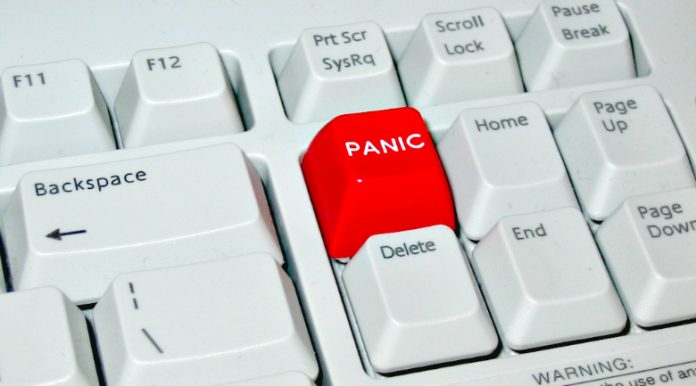
It seems we can’t listen to or read the news without some mention of a “crisis.” Whether economic, global warming related, financial, or educational, there’s always some big boogie monster for us to fear. I stopped for a moment this week to talk to a counterpart in China about the state of the world. As he spoke, he used the Chinese word that translates to crisis, “wéij,” but spoke hopefully about the future.

As I spoke, I caught myself using words peppered with anxiety, fear and confusion whenever I mentioned a crisis. Then it hit me! The fundamental difference in how we view and ultimately use this word has much to do with the definition of the word itself and the cultural context behind it.

How Americans view a crisis

What makes our pulse raise and our chests tighten when we hear crisis, especially in the work place? From my experience, a crisis is a fire to be put out, an emergency to be settled or an “all-hands-on-deck” desperate attempt to fix an error.

In modern America, it seems this word “crisis” has been stripped of its benign meaning (turning point, a crossroads) and only carries a negative connotation of doom and gloom; implying that an impulsive decision be made. But this is completely the opposite of what a crisis is in China.

How Chinese view a crisis

When I first started learning Chinese one of my favorite words was crisis or wéij?. This two-character transliteration combines two different words in order to paint a picture of what a crisis truly is. Danger (wéixi?n) and opportunity (j?huì) meld to form an idiomatic expression of what a crisis should be – a place where danger begets opportunity. N

ow, many years since my first Chinese class, I have an even greater appreciation for the word from a business stand point. Culturally, the Chinese balk at the idea and display of impetuousness.

Children are taught to take their time with tasks and employees are urged to be “thoughtful and deliberate” as to not cause errors. When it comes to business, the same mantra holds true. No surprise, then, that crises be seen as a chance for positive change.

Key takeaways

Understanding how different cultures conceive of and react to crises can help professionals in industry to overcome their own challenges. The key takeaways from this lesson are:

  • In a negotiation, see a “crisis” as an opportunity to form a mutually beneficial outcome
  • Consistency is of utmost importance
  • Timing is everything. Use time wisely to respond rather than react.
Monica Moffitthttps://www.tianfenconsulting.com/
Monica Moffitt, founder and Principal Cultural Consultant at Tianfen Consulting, Inc., has traveled the world and enjoys linguistics and all things culture. Having split her career between project management and business analytics, Monica merges logic, fluency in Chinese and creativity in her new role as cultural consultant. She received a Bachelor of Arts in East Asian Studies/Chinese from Vanderbilt University and a Master of Business Administration (International Management and Marketing) from University of Texas at Dallas.

1 COMMENT

Subscribe
Notify of
wpDiscuz
1
0
What insights can you add? →x
()
x
Exit mobile version