 Wrecking Listing Data’s Good Name?
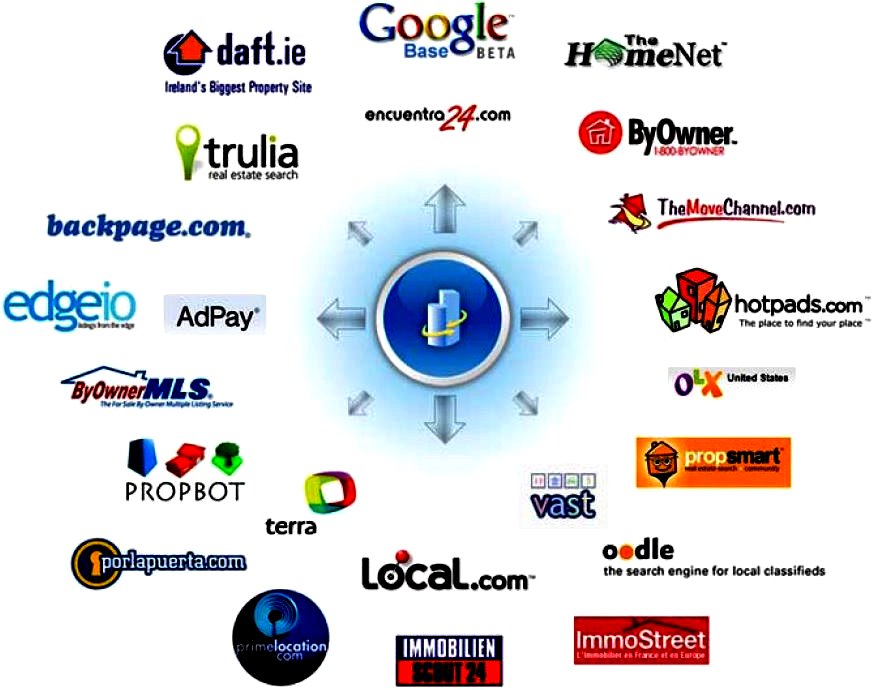
After some intense debate both on and offline about how third party media companies are wrecking the listing data’s GOOD name, we set out to find out some reasons that data inaccuracies seem to be common place on third party websites. We wanted to know how in the world it could be possible that sites like Zillow, Trulia, Vast, among others could possibly still reflect a listing as active when the unit had obviously sold weeks, days, months, or even a year ago. Seriously, how could this be?
In a perfect world
In case you did not know, data is typically taken directly from brokers via one huge file dump, and then distributed to the third party network as it’s seen. So if today you post a property as pending, then more than likely, 24 hours later after distribution, your listing should reflect the new pending status. Makes sense, right? Clean data comes from the source and is updated dynamically via the same feed the original listing came from – no problem… in a perfect world, this is what happens.
So again, where’s the problem? We set a course to find out. We asked David Gibbons with Zillow exactly about the process and he verified that data comes from the broker’s direct feed (you should ask your broker if they syndicate) and populates Zillow. So we asked David how in the world is could ever be possible that a listing could remain active when it had been withdrawn, expired, etc and his response? Ultimately, time and time again, it goes back to the agent who syndicated the listing.
WHAT?!
Yes, you read that correctly, but note that he said “agent who syndicated the listing.” If your broker does not update or syndicate feeds to Zillow, chances are that your virtual tour company, or possibly your flyer company does, and this is an accepted feed from Zillow and a service that many vendors offer agent consumers. The main problem with this is that the agent allows the virtual tour to remain in existence, ACTIVE and alive for the world to see, long after the listing is gone. David Gibbons admits this has been a real challenge for them, but believes it goes back to agent education and some training where syndication is concerned.
Let me Google that for you
David suggests that you Google your listing address when changing the status of your listing. This will allow you to see everywhere your listing is populating and if need be, go in and turn it off or change the status.
Check, check, one, two
Our suggestion to build on that thought is to create a closing checklist of where you manually displayed your listing- that gives you a quick and easy reference of places that you’ve been the point of syndication (P.O.S.). Make note of each web property you’re using that offers to syndicate for you, “especially virtual tour companies,” says David.
Like we said, David admits that this has been a challenge for them, to the point that they rank the level and quality of a syndication source on the back end, but this method could ultimately be double checked by the responsible agent who probably isn’t even aware of their culpability. David points out that many sites and tools that syndicate for agents do notify agents requesting an update, but not all, and most notices go ignored either because the agent continues to show off their incredible marketing, or they simply forget- so make your checklist for those closed, sold, and withdrawn properties and protect the data that agents hold so dearly.
Summary
So if you’re a great listing agent and you’re making sure your marketing goes up, we must make sure it comes down, as displaying an inactive non-existent for sale property in anyone’s book is unethical. We suggest that if you want to display a demo of your property marketing, you utilize the product’s demo or ask the company to copy a demo of a past listing that is syndicated with the proper status for you.