Saying sorry… again, and again, and again
As another Chipotle norovirus breakout is documented, this time in the Midwest (a different strain than on the Pacific coast), we must ask: When you do something wrong, you apologize, right? Of course, but at what point do you cross the line from apologizing to over compensating and begin to border on annoying without fixing anything?
It is hard to define as every situation is different, but one case bordering on the annoying may be Chipotle.
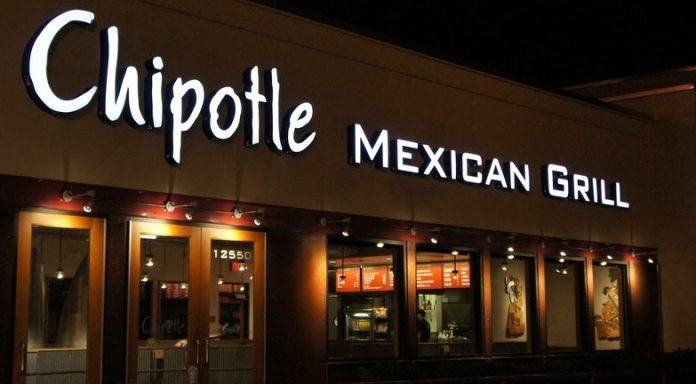
Chipotle Mexican Grill in Brighton’s Cleveland Circle has been under fire for sickening dozens of customers with norovirus. Chipotle’s CEO, Steve Ells, was quick to apologize and insist that the store in question, as well as the Chipotle chain as a whole, would take measure to ensure this didn’t happen again.

Full page apology advertisement
Ells composed a seven-paragraph apology letter in a full page advertisement that ran in both the Boston Globe and Boston Herald, explaining what happened at the store and the measures that would be taken to ensure people still felt safe eating at the chain.
Sanitation procedures and training
The chain has since adopted a new food safety program, Ells wrote: “I believe our restaurants are safer today than they have ever been,” adding that the company is “confident that we can achieve near zero risk.” He also states, “…we are rolling out new sanitation procedures in our restaurants and implementing additional food safety training for all of our restaurant employees.” These are great steps to show customers the chain is serious about change.
Ells’ continuous apology
Ells has apologized over and over again, which is nice, but at what point do customers begin to get annoyed? Yes, you made a mistake. Yes, it shouldn’t have happened. Yes, you sickened over one hundred customers (many of them college students), but at this point you’ve adopted a new policy, apologized, thanked customers for understanding, and done a bit of damage control; in my opinion, it’s time to move on.
Not the best marketing idea
Constantly reminding people of what happened and what you’ve done to fix it, could do more harm than good. People will begin to associate the Chipotle brand with “that virus that made everyone sick,” instead of “that place with the good food.”
Unfortunately, dining establishments causing illnesses in their customers is not as uncommon as we’d like to think. While Ells’ heart is certainly in the right place, his strategy may need a bit of revamping before those loyal customers start jumping ship.