Keeping vacationers in check
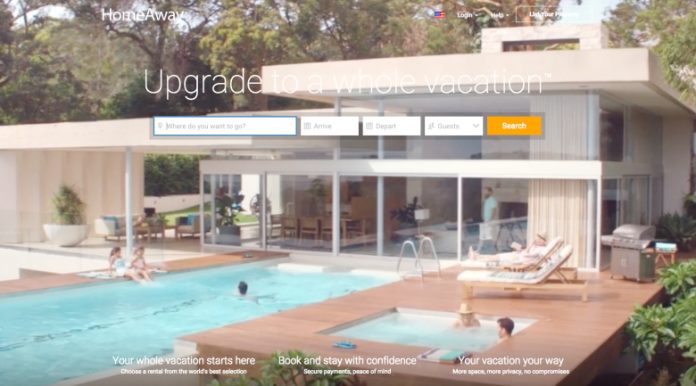
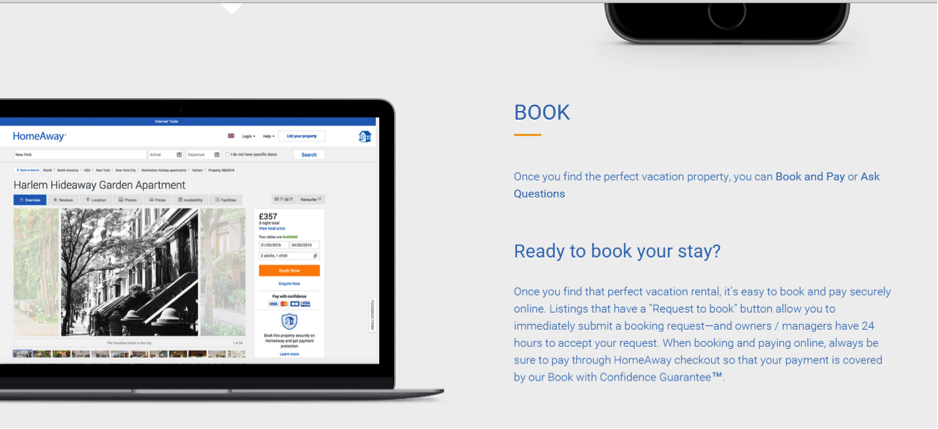
The concept is simple enough: With HomeAway you plug in a city, look at the short-term vacation rental properties and book the one you want to stay in. Pay online, arrange with the owner where to find the keys, and off you go.

Silicon Hills News reports that a pilot program is set to kick off in none other than Austin, entitled “Stay Neighborly” which among other things will help ensure that renters are complying with city ordinances. Of particular interest is a new no-tolerance policy in the plan which identifies owners who don’t want to play nice and follow the rules.
Big city in a small location
Austin, in case you’ve been living in a fallout shelter and don’t get out much, is about as close to the promised land as you can get without walking on water: not only is Austin fast-eclipsing Seattle, Washington as the start-up capital of the US but as Forbes recently pointed out, “Austin consistently sits atop Forbes’ annual list of the best cities for jobs and scores highly in other demographics rankings.”
Perhaps more importantly, Austin is the “third-fastest-growing city in the nation, attracting not only large numbers of college grads, but also immigrants and families with young children.”
So you can see why there’s a lot of interest in the city of Austin in general and why it is a good location for a short term rental pilot program in particular (and not just because HomeAway is headquartered in the ATX).
The issue at hand
By its own accord, HomeAway says that “the Austin market is, in practical terms, a very small share of the company’s business,” amounting to about 400 properties in Austin out of an estimated 1.3 million rentals nationwide. The issue at hand is that HomeAway properties are considered Type 2 rentals which means that the owners do not live on the premises. What has happened on a handful of occasions is that renters have shown up, partied like it’s 1994 and left. No problem if you’re living on the beach or a secluded area but not the type of thing that you want to have happen in a residential neighborhood with family and white picket fences.
There is a proposal circulating that would eliminate the category of Type 2 rentals altogether. Conversely, if the rental category is upgraded to a Type 1, that means the owners must be on the premises which does lend itself to some kind of crowd-control. But is problematic if the owner lives elsewhere.
The future
How this plays out is anyone’s guess. You can’t argue the fact that home sharing represents an essential economic lifeline to help middle class [Austin] families pay the bills and make ends meet. For its part, Airbnb which also is a home sharing entity is fully backing HomeAway’s efforts. And why not? They stand to lose if the Type 2 category goes away and other cities follow suit.