Go deeper - join us!
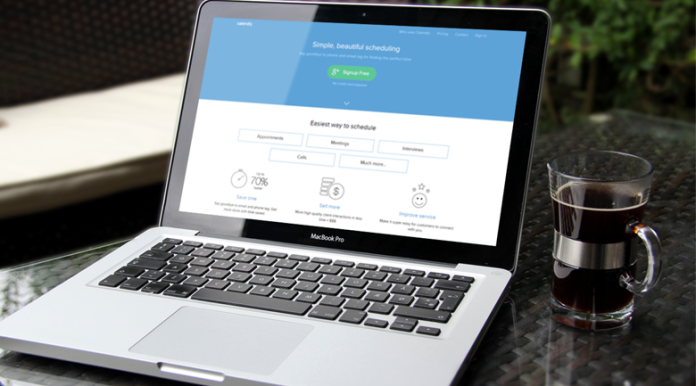
Last month, Sam Lessin, former Facebook VP, called Calendly “The Most Raw/Naked Display of Social Capital Dynamics in Business,” making many people question whether sending someone a Calendly link is rude or not. Lessin asserts that when you send a Calendly link, you’re sending a social message that you’re more important than the other person. I’d like to assert that automated scheduling isn’t the devil that Lessin makes it out to be, but you can’t just send out calendar links without thinking about how it will be received. You can’t account for how the recipient will feel, but you can reduce the seemingly implied politeness with a little bit of rephrasing.
Is sending a calendar link aggressive?
The technology behind sharing your calendar availability is designed to make scheduling an appointment between two people easier. It becomes problematic when you make someone – presumably someone with importance – do the work of booking time with you when you are the one who wants time with them. It can feel rude or even impersonal at that point. Lessin even tweeted “…in practice, I will never click on your Calendly ever (unless you are the president of the US).” This may make some people think twice about sharing their availability. Sharing your availability isn’t inherently aggressive. It does depend on the context.
Calendar etiquette
There’s been a shift in corporate culture over the past few years. Scheduling meetings via a calendar link is one of those things that is evolving. Personally, I prefer the ease of scheduling a meeting without all the back and forth, but I have to be motivated to make the appointment. If I were scheduling a meeting with a vendor who wanted to pitch their product, I’d be much less inclined to use the calendar link. Calendly gives a nice option, that is “opening the door” for the other person. “Feel free to share some times you’re available, or you can also pick from my Calendly if it’s easier.”
Bottom line – if you’re asking for someone’s time, try to work around their schedule. Don’t assume that the other person wants to use automated scheduling without asking first.