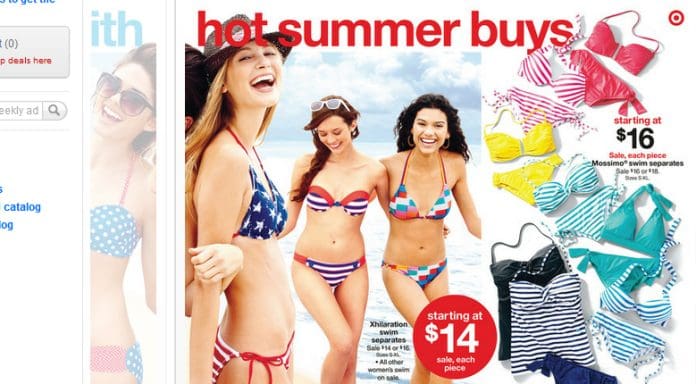
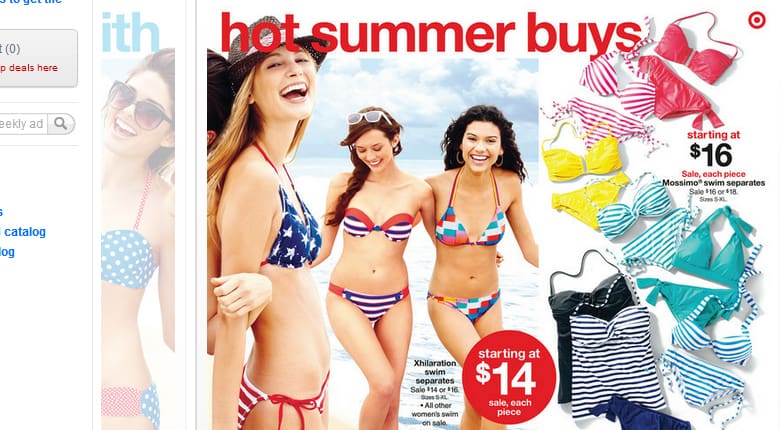
One simple tweak
Shopping at Target recently, I encountered a major frustration that shoppers have had for eras, that a simple tweak to the company’s marketing could completely fix. A tweak that no major retailer is taking advantage of, and the world has made overly complicated – QR codes. Many of you will say to yourself, but you told us that QR codes are a passing trend, and you’re right, but they are useless in most cases because they are poorly used. Let’s talk about one extremely specific use that could boost in-store sales.
In the aisle at Target, I saw print collateral of a beautiful young girl wearing a navy, white, and yellow skirt. I wanted that skirt. I needed that skirt. But look at the photo below and tell me what the problem is with my quest for that skirt:
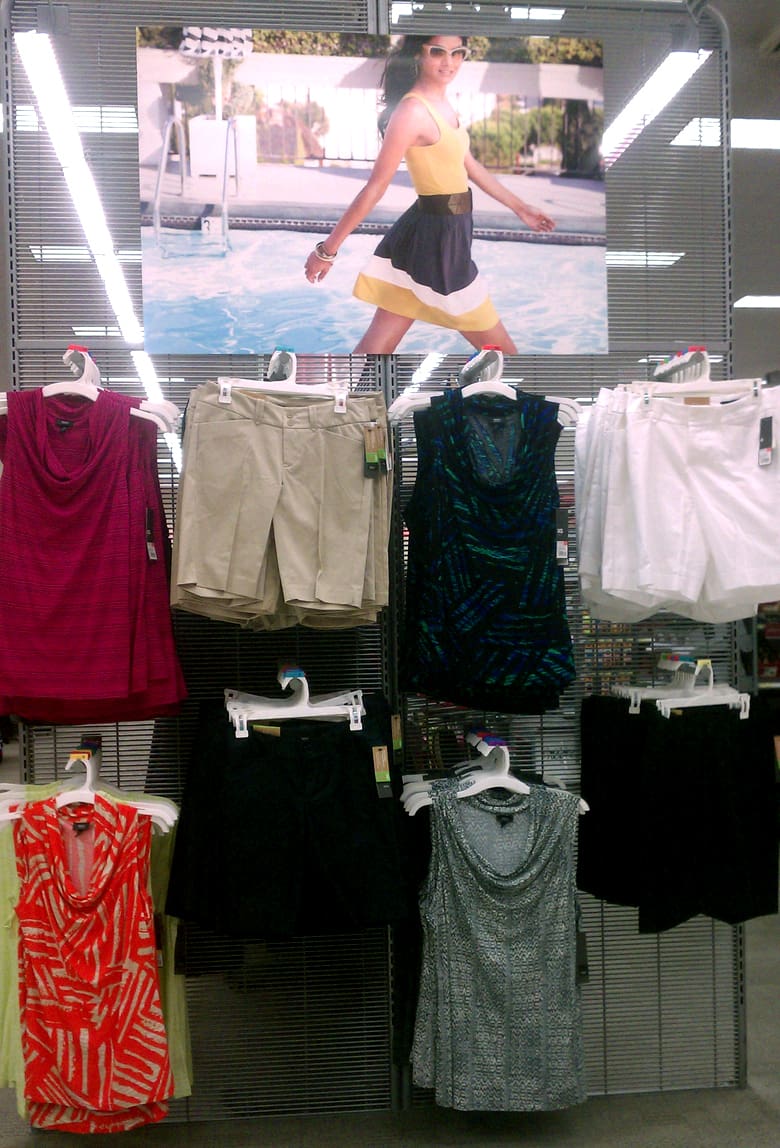
Where is the skirt? Is it on the top row near the photo of the skirt? The bottom row? Nope. Is it around the corner? Is it in the section to the right or the left? No. The goal has always been to have images that entice someone to shop around, and as they seek out that item, they will find other items. Okay, I get that, but when you ask a Target employee where that skirt is, they go on the fruitless hunt with you, because they don’t know where the skirt is either.
So I get frustrated, and no one knows that the skirt exists except for the model in the picture. Perhaps it is a tease and I need to order the skirt online. But searching Target.com on a mobile is not exactly friendly, no matter what their design team tells you, and reception in the back of the big metal big box is horrendous, so ten minutes into searching online for dozens of variations with the colors, length, and type of skirt ending in no matches, and scrolling through the available skirts became as frustrating as the deer-in-the-headlights employee helping me around the store in hopes that maybe it exists in the toddler section or something.
Mobile failed, in-person failed, and after all of that time I wasted devoted to a Target skirt I didn’t know I cared about in the first place resulted in my putting back the top that I had picked to go with the skirt. I was so over it. I caught up with the family and refused to buy anything for myself. I didn’t even order an in-store Starbucks on the way out.
How retailers fix this
There are two reasons this problem must be fixed after decades of this method of using glossy models to lure you into non-existent products. First, this must stop because the internet exists. Users can look up products online while in the store, and if your mobile site is horrible, they can move on to your competitor and shop them while in your store. Secondly, the Millennial generation proving to be impatient and value a fast experience over a lengthy customer service endeavor, meaning that a helpful sales person is a bonus, but my grabbing a skirt from a shelf underneath where the model told me it should be is more important.
So how do retailers fix this? Easy:
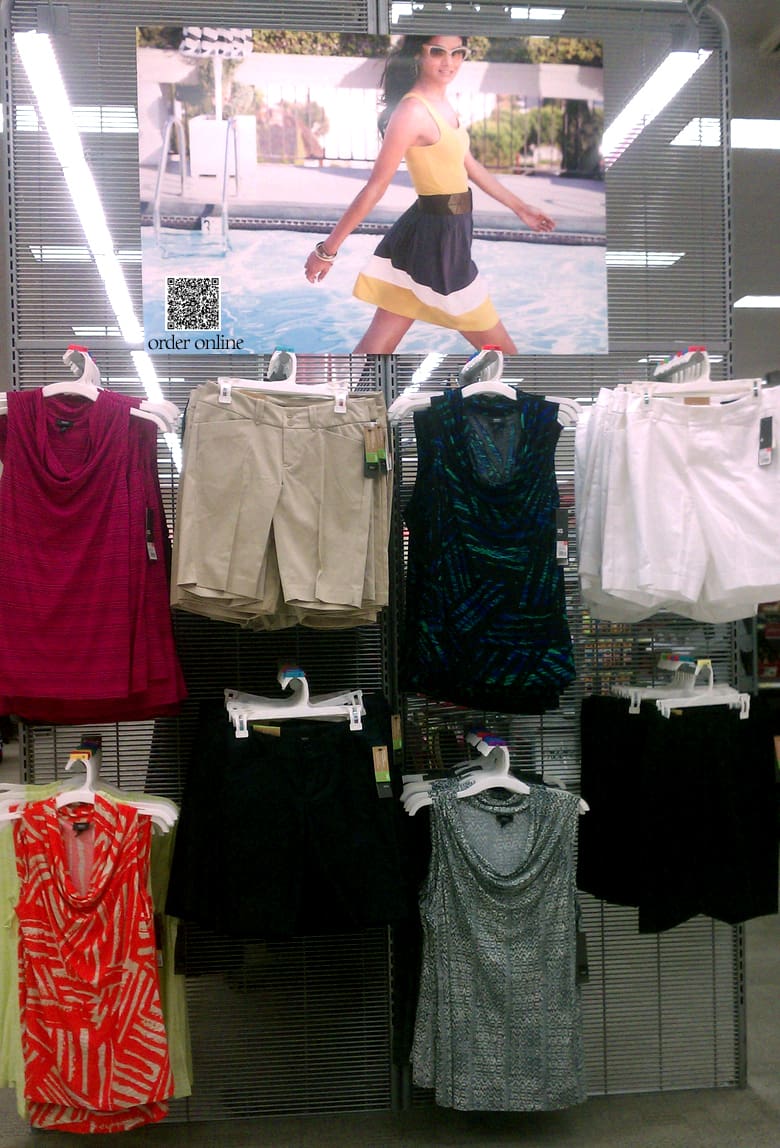
Can you see the tiny difference? With that simple QR code, I could have given an employee a product number or just ordered it online immediately (which I would have). While I have said many times on stage and here at AG that QR codes are mostly a waste of time, this is one use that is legitimately useful.
Why this works – it’s not a gimmick
A QR code used in this fashion is not to lure me in and make me give up my email address or phone number, I don’t have to answer a quiz question or enter some stupid competition or raffle, it doesn’t make me tweet anything, and there is no gimmick, it just allows me to spend money. Imagine a world where QR codes were available to consumers on in-store marketing – not only could people order online (or get online-only options while shopping in store), but could more readily locate items that they want to spend money on.
This isn’t a proposition for big box retailers only, this is a simple and often free measure that any brick and mortar location could use, that is more meaningfully measured than foot traffic or web wanderers.