

























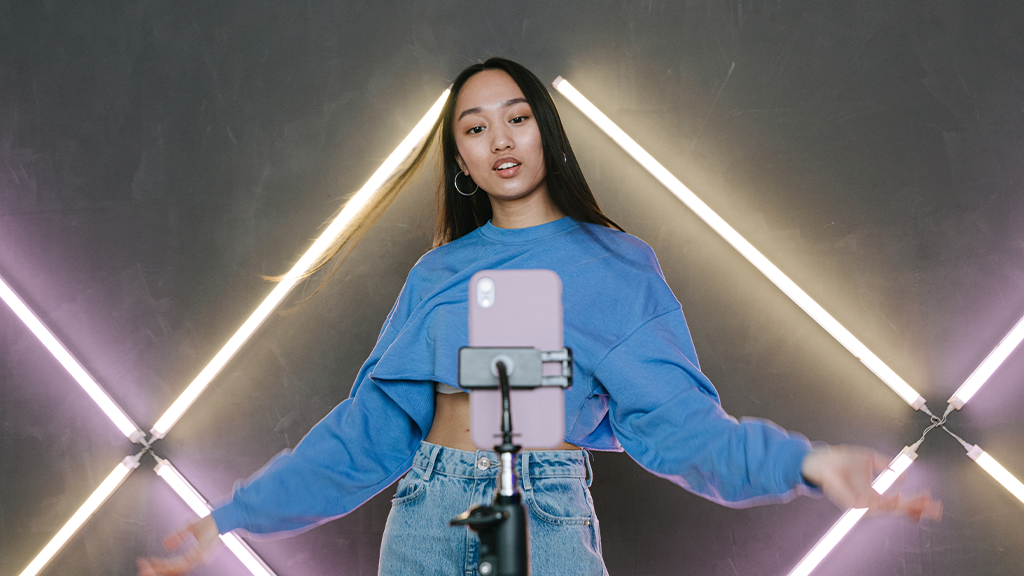
TikTok is making a new monetization feature available to certain creators based on positive results from a limited trial run over the past few months. The feature, known as Series, will allow eligible users to record longer-form content and lock videos behind paywalls.
This addition comes at a time during which other high-traffic platforms, such as YouTube and Twitch, are restricting ways in which users can effectively monetize their content, making it another win for the controversial TikTok.
According to The Verge, the current maximum time limit for eligible creators–10 minutes–will be extended to 20 minutes. These creators will also be able to charge from $1 to $190 for content (similarly to OnlyFans, though TikTok has made it clear that they do not support nudity or sex work on their platform).
As for who qualifies to take advantage of these additions under the Series banner, The Verge reports that, in addition to being at least 18 years old and having 10,000 or more followers, users will need to meet “other account and views benchmarks” before they are considered eligible for creating Series content.
Other users may be considered for Series eligibility if they have at least 1,000 followers, can demonstrate proof that their “exclusive” content has sold in other arenas, and meet other relevant account benchmarks, most likely related to metrics.
The Series concept holds water, but The Verge also posits that creators may not have a reason to be optimistic just yet: “…historically, creators have been frustrated with their returns, saying the payout has been worse than other platforms like YouTube — under TikTok’s original creator fund, for example, users made pennies for viral videos.”
Other critics of the feature worry that TikTok’s overall value lies in short-form content that both captures attention and delivers entertainment quickly; the idea of allowing up to 20 minutes of content on TikTok–and even locking it behind a paywall–seems at odds with the media platform’s ethos.
Still, TikTok’s willingness to support creators in exploring more in-house monetization options is a step forward for creators everywhere–especially when other platforms appear to be moving in reverse.