Home Blog Page 352

View from fat area: the MLS blooper scooper is back

Barking Up The Wrong Tree

The gaffes and laughs were all over the MLS and the real estate ads this week, friends. Do you recognize your listing remarks in any of these? If so, I’ll promise not to rat you out if you send me lots of money… or martinis…

“View from fat area” (The only view from my fat area is my shoes.)

“Thought after area” (After-thought agent.)

“Wiggle room here” (This must be a strip club on Sunset.)

“May ham bank approval” (If you are referring to B of A, mayhem is an understatement.)

Catting Around

“Fresh cat of paint” (What’s the cat’s name – Dunn Edwards?)

“Persians in lvg room already bought” (Already bought what – most of Los Angeles?)

“You’ll enjoy coattails on the veranda” (That depends on what he’s wearing underneath the coat.)

“Dog hose matches architecture” (According to fashion experts, Fido’s hose should match his ensemble.)

“New draims” (Old draim bramage.)

Animal House

“Hole in flor not fixx” (Let me guess – you’re Flor, the hole is in your cerebrum, and you need a fix…)

“Big state sale” (It seems the Bushes are trying to unload Texas…)

“Choose your own fissures” (Said the doctor to the intern while waving a cauterizing instrument over a patient’s hairy bum.)

“Ligation has been resolved” (You untied your tubes?)

In the Dog House

“Go to my log for details” (How much detail can there be in four inches?)

That’s it for this week, folks. Remember: Spell Well and Sell!

Award-winning interactive app sells video game like hotcakes

Getting creative

Now not everyone can afford an ad agency, but everyone can be inspired by the work of these creative professionals. One moving example is the recent CLIO award winner in the interactive category, designed by advertising agency CP+B Gothenberg who architected a mobile app to promote a video game.

As outlined in the video above, the company launched a free standing app, “Autodance” that proves that anyone can dance, passively promoting the idea that anyone can dance along with the “Just Dance 3” video game. Autodance is akin to auto-tune which uses technology to alter voices, making it sound like anyone can sing well.

Autodance records and syncs movements to three varied pre-loaded dance tracks and instantly turns any person (or cat, dog, turtle, bus, etc.) into a dancer. Users are encouraged to upload the video and share across social networks, tapping into the viral potential of the campaign.

Originally launched in Europe, by Christmas last year, the app already had 3.2 million downloads, and over 1.2 million videos created through the app and shared on YouTube and Facebook, resulting in over 2.5 million comments and likes on Facebook. More importantly though, it became the top selling video game in Europe – the ultimate ROI.

The Autodance app is available on iTunes and Android.

Getting results from your advertising

While traditional and social media advertising campaigns lead to word of mouth marketing, getting a viral hit is difficult, but it doesn’t always require an expensive ad agency. Think about how Autodance relates to the video game – it got everyone to think about dancing and convinced millions that they too could dance. The campaign took the intimidation factor out of their product.

Through video or other means, think about what you can do to take away any intimidation factor of your product or services, get consumers to think about using your brand organically, and add some fun, and you’ve cracked the code of the mega ad agency.

Couple discovers the home they just bought is the wrong address

Not the standard procedure

Mississippi homeowners, Terry Jordan and her husband, recently toured a home in the multiple listing service (MLS), put in an offer, purchased the foreclosed-upon home, closed the transaction through a title company, was given keys and began remodeling her new home, sinking thousands into a new roof, plumbing, and electrical work, according to WREG-TV.

Jordan noticed some discrepancies with local records, so she did her due diligence and had the property surveyed. Shortly thereafter, she says her Realtor called and said, “I don’t know how to tell you this but we might have sold you the wrong house.”

The Jordans had not actually closed on the home they toured that had a for sale sign in the yard that had a lovely red bard on the property, no, they legally owned the tiny home next door they had never considered purchasing.

The home the couple purchased to fix up and turn into an income property in fact did not belong to them, rather they actually own what Terry Jordan refers to as half of the size of the home they thought they were purchasing. “It’s pitiful, the lot that it sits on” she tells WREG-TV. “That house is full of mold.”

Adding to the frustration

The Jordans say the Realtor told them, “Well you own the one next door. You still have a house,” which the couple is not accepting as an answer.
Making matters worse, no one seems to be willing to take the blame or help her out.

The news station reached out to the real estate brokerage that listed the home and were told that they are not to blame, as they received incorrect information from the mortgage company. The couple says no lawyer has been willing to take their case because they’re only looking to recover the thousands they put into remodeling the wrong address.

MentorMob organizes existing web content to teach you lessons

Running a business, wearing many hats

As a small business professional, you wear many hats. You may be in charge of online marketing, hiring employees, and acquiring new clients. Being in charge of many, if not all, of the sections of your business gives you complete control. But it also comes with a lot of hard work and dedication, and don’t forget a steep learning curve. Most small businesses can’t afford the hefty price tags that come along with workshops and training sessions. However, there is an affordable, relevant, social solution.

How much easier would your professional life be if you could find the right training material on the internet without having to sort through twenty pages of irrelevant results? MentorMob, with the help of fellow internet users and small business pros, provides helpful and worthwhile results to any search query.

Because sometimes it can be overwhelming to know where to start with self-training, MentorMob lists which sites you should explore step by step based on your end goal. Unlike basic search engines, MentorMob’s lists aren’t based on popularity; they’re based on usefulness and relevance. With that goal in mind, MentorMob’s users handpick free online resources that will help you along your professional path.

Not only will you save time using MentorMob rather than sorting through the results yourself, but you can also give back to the MentorMob community by creating your own lists of useful, free resources for other members of your industry. It’s the perfect give-and-take relationship. MentorMob users are active, so you will see updated lists and information regularly, meaning you’ll have a unique experience every time.

If you’re not sure if a certain skill is what you need to succeed, you no longer have to worry about the financial risk of moving on to something else, especially after you’ve already paid for the workshop. MentorMob uses the information that’s already available on the internet and organizes it in a way to maximize your efficiency. After all, your time is valuable, and now you have a methodic way to make the most of it. Educating yourself and others should be the foundation of any successful professional life. Free education is hard to come by, however. But MentorMob bridges the gap, and you and your company can reap all the benefits.

Builder confidence at five year high, West still struggling

Builder confidence continues to rise

Builder confidence in the market for newly built, single-family homes registered its strongest reading since May of 2007, according to the National Association of Home Builders/Wells Fargo Housing Market Index (HMI), released today.

Nationally, builder sentiment toward current sales condition and traffic of prospective buyers increased in May, with optimism about traffic hitting its highest level since April of 2007, while sentiment toward sales expectations for the next six months rose in May as well.

Traffic picking up after a pause in April

“Builders in many markets are reporting that buyer traffic and sales have picked back up after a pause this April,” said Barry Rutenberg, chairman of the National Association of Home Builders (NAHB) and a home builder from Gainesville, FL. “It seems we have resumed the gradual upward trend in confidence that started at the beginning of this year, as stabilizing prices and excellent affordability encourage more people to pursue a new-home purchase.”

“While home building still has quite a way to go toward a fully healthy market, the fact that the HMI has returned to trend is an excellent sign that firming home values, improving employment and low mortgage rates are drawing consumers back,” said NAHB Chief Economist David Crowe. “The pace of this emerging recovery could be stronger were it not for the significant impediments that the market continues to face with regard to builder and consumer access to credit, inaccurate appraisals, and more recently, rising materials prices.”

Regional sentiment varies

Marking improvement in builder sentiment for the month, the Northeast saw a six point gain to 32, the Midwest rose five points to 27 while the South also increased five points to 28. As new home construction hiccups in the West region, builder sentiment fell two points to 29.

Meanwhile, builders continue to see tight lending and tough competition from distressed sales pulling prices down. Dr. Lawrence Yun, Chief Economist at the National Association of Realtors forecasts that resale home volume should rise 7 to 10 percent in 2012, and both the NAR and NAHB are softening their cautious forecasts and showing an increase in optimism toward the housing market.

Sunglasses, sex appeal, vacant house make for hot ad campaign

Passerby in for a treat

What do you get when you put sexy voyeuristic videos on giant LCD screens in a vacant house in a part of Sydney with high foot traffic, have gorgeous ladies in tight black dresses outside of that building handing out hot pink and neon blue sunglasses, and tout the world’s first invisible advertisement?

You get crowds of people stopping to spend time interacting with an advertisement, even the bicycle cops passing by. In the video above, Lynx body spray and deodorant (which appears to be the Australian counterpart to Axe in America) drew in crowds and made for a hot video out of sheer creativeness.

While reactions will vary between Australia and America, the campaign works for a few simple reasons. First and foremost, Lynx draws people in with mystery – not all ad campaigns involving mystery are quality, take for example the extensive television ad series by Yellow Wood that are little more than self indulgent Western short videos that are 25 years past their prime.

Secondly, the Lynx stunt is sexy. The images in the windows include oddities, but the focus is easily on the couples fooling around, which is consistent with the brand’s sexualized image and message – use this deodorant, you won’t stink, you’ll smell great, you’ll hook up. The polarized glasses allow passerby to pretend like they’re looking in the window with the goofy monkey, but we all know what you’re staring at, Australians. Hot.

Third, engaging passerby is a difficult task, but Lynx not only managed to get it done, they did so without promise of prizes, fame, being on video, or anything other than getting to watch an invisible advertisement. Yes, Lynx used hot girls to lure in people to put on glasses in the first place, but the company managed to get people to interact organically – think of it as your website… You want people to come in, poke around and remember your brand, not keep walking by, right?

Emulating this stunt

Using props, sex appeal, and the element of surprise, Lynx made quite a hot ad campaign. Can you replicate this with your brand? No, copying usually flops, but you can emulate it. Think of the fun that you can offer – instead of a standard booth at a conference, think of how you can get people to interact with your brand and stay longer (hint: conversions are never hurt when a quality campaign draws people in to spend time with your brand). Can your company produce a 3D video playing on a loop at your booth that passerby must use the 3D glasses with your logo on them to view (that they can of course take with them, since conference people love swag)?

There are ad execs who specialize in viral campaigns, but if you are wearing every hat in the company, think of ways to be memorable – at the local fair, get the smallest booth, set up a tripod with a video camera, sit on a stool, make a big sign saying “free high fives courtesy of [your company],” and film yourself giving free high fives in which you yell your brand name every time you high five people passing by. Or, if your offices are downtown and you offer services instead of products, put up a new hand drawn message on a poster in the window of your office with love notes to your city every morning; photograph them and make a montage you release on your blog monthly.

You don’t have to have sexy models and polarized glasses, but on a budget, you too can get creative and make people remember your brand – what will you do to think outside of the conference booth box?

Latest changes to the Bank of America short sale process

Using the Equator system

When processing short sales, it’s important to know about how each of the lending institutions handles loss mitigation and paperwork processing. Many folks already know that Equator is the online platform used by 5 major lenders (Bank of America, Wells Fargo, Nationstar, GMAC, and Service One). If you have done a few short sales in Equator with different lenders, you may see what while your same Equator account is used for all your short sales at all the lending institutions, each of the servicers uses the platforms in a different manner.

And, my hat goes off to Bank of America for really raising the bar when it comes to short sale processing online. And, believe me, after processing short sales with Bank of America in 2007, this change is much appreciated.

New Bank of America Short Sale Process

Effective April 13, 2012, Bank of America made a few major changes that may make our short sale processing times more efficient.  The goal of these changes is to make short sale processing through Equator (the Internet-based platform) at Bank of America so efficient that short sale approval can be received in less than one month.

First off, Bank of America now requires their new third party authorization for all short sales being processed through the Equator system. Additionally, the folks at Bank of America will be working to improve task flow for short sales in Equator by making some minor changes to the process.

According to the Bank of America website,

Now you are required to upload five documents (which you can obtain at www.bankofamerica.com/realestateagent) for short sales initiated with an offer:

  • Purchase Contract including Buyer’s Acknowledgment and Disclosure
  • HUD-1
  • IRS Form 4506-T
  • Bank of America Short Sale Addendum
  • Bank of America Third-Party Authorization Form

And, now, you will have only 5 days to submit a backup offer if your buyer has flown the coop.

The last change is a curious one, especially for short sale listing agents, since it often takes awhile to find a new buyer after you learn that the current buyer has changed his or her mind.

Short sale listings agents should be familiar with these changes in order to assure that they are providing their client with the most efficient short sale experience possible.

Adding social context to sites with mon.ki Chrome extension

Self described “social compass”

Just a month old, mon.ki is a new Google Chrome browser app that helps you discover valuable connections when on a website, adding social context to your web experience without having to leave the site to learn who in your social circles are relevant on a given topic. The company calls itself the “social compass,” noting that they automatically extract information about the page you are visiting and guide you to the right people, all within your browser.

So if you visit a website about turquoise jewelry, the extension will show you not only who is talking about that website, allowing you to retweet or respond from the sidebar without leaving the site, it also searches for any term you request, never requiring you to flip from tab to tab to find deeper context to any site or topic. “The value proposition is simple convenience – no jumping from page to page, no searching one by one for relevant profiles and keywords – just the people you need, at your fingertips,” the company says.

See what people in your Twitter network are saying that relates to any page you visit, see topics being tweeted about in your network, and tweet directly from the sidebar about the site you’re visiting, complete with a shortened URL.

Currently, mon.ki is in private beta and it appears that they allow users in in batches. The private beta currently supports Twitter and the company tells AGBeat that other browsers and social networks will be added to the available features. The company says they have had overwhelmingly positive reviews. “Our users tell us they love the ease of use, functionality and design of our social compass. The calm technology (that which informs but doesn’t demand our focus or attention) aspect is a big part of the positive user experience.”

Below is a user review of the extension, but note that it is a little outdated, as the extension is now available in the Google Marketplace and does not require a manual installation. This is helpful to get an overview of the extension’s features:

LinkedIn’s beautiful new Windows Phone app

LinkedIn launches Windows Phone app

As seen above, LinkedIn has just unveiled their newest mobile app for the Windows Phone, which is a perfect match given that they share similar user demographic characteristics and many professionals use both the Windows Phone and LinkedIn.

Consistent with the recognizable tile design of the Windows Phone, LinkedIn’s newest mobile app is beautiful and the experience is dramatically improved over attempting to use the mobile version of the site from any mobile device. The company says “LinkedIn for Windows Phone makes it easy to get on-the-go access to your professional network and all the rich LinkedIn insights to help you be great at what you do. You can find and connect with millions of professionals worldwide, quickly access a real-time update stream with news and information from your professional connections, read timely news impacting your industry, keep up-to-date with your professional groups, search for jobs, and follow your favorite companies’ news.”

LinkedIn’s goal is to make this new app “best-in-class” in the Windows Phone marketplace and are doing so through use of the Windows Phone metro style design while “ensuring users would have easy and quick access to all the relevant professional information they’ve come to rely on from LinkedIn.”

The company hints that in some cases, the Windows Phone app offers even more functionality than their Android or iOS apps, such as company and job information via mobile.

“At LinkedIn, we believe in helping professionals everywhere to be great at what they do. With the release of Windows Phone, we are now making it possible for even more professionals to gather the important insights they need to make smarter business decisions right from their Windows Phone device.”

It will be interesting to watch not only the adoption rate of LinkedIn’s Windows Phone app, but how its velocity of adoption compares to Android and iOS – it is conceivable that it could be one of their fastest adopted app so far.

How to screw up a dumpster rental when remodeling

Remodeling and avoiding simple mistakes

As the remodeling index has just hit a five year high and reports show that homeowners are staying put, one of the money drains and disasters in waiting that many know little about is the easily overlooked dumpster rental.

Joe Eitel at Hometown Dumpster Rental shared with us five ways homeowners or even new repair crews can make major mistakes when renting dumpsters, and real estate industry professionals should be prepared to guide clients in this increasingly common activity in the American home:

5. Failing to Price Shop
Dumpster rental prices can vary significantly between rental companies, so it’s important to call at least two different dumpster rental companies to get a better idea of whether or not you’re getting a good deal. In many cases, you can save $50 to $100 or more by taking an extra five minutes to price compare.

4. Not Clearing Enough Space for the Dumpster
We all know roll off dumpsters are big, but some homeowners fail to grasp that concept. Dumpster rental companies prefer to drop off the containers on relatively level concrete or other hard surface. So, make sure to clear enough space in your driveway to accommodate containers up to about 22 feet long and eight feet wide (approximate dimensions of a 40 yard container).

3. Filling Dumpsters with Prohibited Items
You can’t just throw anything into a rented dumpster. Prohibited items include things like batteries, appliances with Freon, gas/oil or other flammables. Most rental companies also have policies about separating certain materials into its own individual containers, such as concrete.

2. Overfilling
Even though roll off dumpsters arrive at your home without a top lid, the rental company covers the top of the dumpster when picking it up to prevent spillage. For this reason, many rental companies prefer customers fill the container no more than three-fourths of the way full. Some companies actually require this.

1. Choosing the Wrong Sized Container
It’s hard to visualize or predict exactly how much “dumpster” you actually need for a project. Dumpster sizes primarily come in 10, 20, 30 or 40 yard varieties. For reference, a 10-yard dumpster may be adequate for a garage cleanout while a 40-yard container is a better choice for new construction or commercial roof replacement. When in doubt, choose a bigger size. Overage charges do apply when filling the container beyond the weight limit, so paying a little extra for a bigger container may save you money in the long run.

Condo Buyer Cloud innovates real estate search, commoditizes listings

Real estate search lacks innovation

Real estate search companies have mastered their craft and there are many amazing options for consumers to choose from when house hunting, but the truth of the matter is that listing syndication, marketing tools, and search features have seen little innovation in recent years, despite the drama and controversy surrounding the search providers.

It is no surprised that a lone Realtor in New Jersey has done more than just embedding an IDX in his site, no, Ryan Nish created a unique condo search tool and even has a patent pending on the technologies he is developing at CondoBuyerCloud.com.

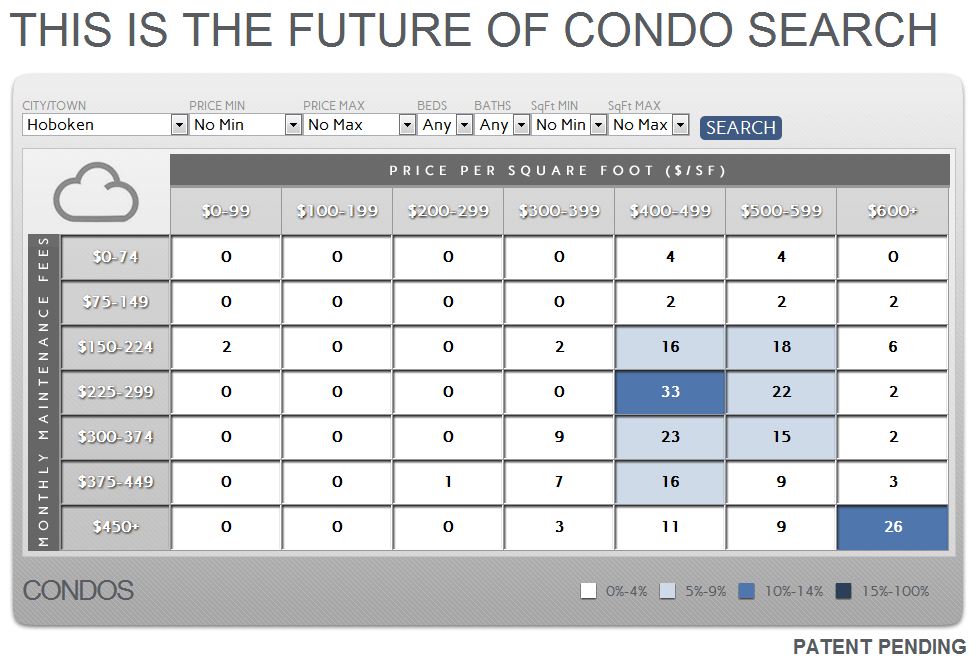
Although Nish’s website offers traditional search using Diverse Solution’s IDX product, he has developed a search tool that offers condo hunter to see what other home buyers are paying for condos, broken down by neighborhood, size, and price. The company says it can uncover the best deals on the market using the custom search tool that “measures the two most important common financial characteristics all condos share: price per square foot and monthly maintenance fees.”

Comparing apples to apples

“Use this powerful information to compare apples to apples,” the company says. The interactive tool not only gives you an idea of the pricing trends in certain neighborhoods, but with certain condo sizes. Rather than searching all listings, it offers very specific results as seen below:

Real estate listings sold as commodities

Prior to his new real estate career, Nish was a trader and officer of a wholesale portfolio and interest rate management analyst at Allied Irish Bank. Prior to that, he was an Interest Rate Futures Trader at Penson GHCO and worked on the NYSE Trading Floor as a Clerk at Reynders Gray & Co after graduating from Villanova University.

Taking his trading experience to the real estate industry, it was likely easy for Nish to see condos as subjectively as stocks, whereas many in the industry sees properties behaving as unique pieces of data, rather than unique organisms that behave as an ecosystem.

Commoditizing real estate is not a tough sell or leap, but is sorely lacking in real estate search – except for in New York where Condo Buyer Cloud does just that. It will be interesting to see where Nish takes this and who will approach him first to buy his patent.

3 questions early tech adopters must remember to ask

7

Pride in being an early adopter

I pride myself in being a trendsetter when it comes to use of technology in my real estate business. As an early adopter, I bought into online form software while the rest of my former company was still firmly entrenched in paper forms. Now as the broker of my own firm, we frequently test and buy into technology quickly after it hits the market. Most of the time, this is a smart move. Being an early adopter gives us an edge as we frequently are the first in our market to use new marketing channels and real estate software. However, this speed to try new things is not without its risks.

A few weeks ago, I received a marketing email from a company selling a new smartphone app targeted at real estate and mortgage professionals. The copy was exciting and promised that industry professionals who downloaded and purchased this new app would be able to share the app with their clients, and even sell “space” on the app to trusted vendors. It sounded great — and I clicked on the email link which took me to a splash page for the app. Before doing too much due diligence, I admit I sent the developer $149 through PayPal for my own customized smartphone app.

After logging in to customize my app, I quickly figured out this was probably not a smart move. I uploaded info on my trusted lender and home inspector, and invited them to try the app. Both declined. Not interested. Hmmm. So I guess I won’t be collecting part of the app fee from these guys, who normally do pay for sponsorship on my folders and on co-branded ads. Okay. No big deal. If it works, I can afford $149.

The three questions you must ask

One: Does it really solve a problem or is it just fancy bells and whistles?
I show the app to a few select clients of mine. Two of them work for computer firms, and between them probably own every piece of cool tech there is. Both just blinked when I showed them the app. “But you can click my realty app here to get my contact info at your fingertips!” They both gave me a blank stare, and a “Duh” moment. One guy said “But I already have that info in my contact database.” The other guy said “You’re my agent. I know how to find you.” Then I showed them my preferred vendors on the app. Again, both guys have trusted lenders at their disposal and don’t need mine. Okay, so the app is pretty on their phones, but not really necessary for current clients — and that’s who I am supposed to invite to download the app. See the catch 22?

Two: What is the company’s refund policy?
After discovering that I was not 100% thrilled with the purchase, I went online to see how to contact the company. There was no refund policy online, so I sent an email to the address on the web, with no reply. Three days later, I sent another email. No reply. Then I sent an email to the owner of the company (which I tracked down through the PayPal address I sent the money to). He replied that he would refund the money. That was six days ago. I just sent a second email to the owner. I did try to contact PayPal, but their dispute mechanism seems to not relate to software apps as none of the choices apply to my situation, and there is no “other” choice when disputing a charge.

Three: Will this give me an edge in business?
Finally, will buying this new technology give me an edge in my business? How does it read in an advertisement? Try to create a “benefit” statement out of it and see if it makes any sense. If I had done this, perhaps I wouldn’t have been so quick to send that company $149 for the app. “Hire me and I’ll give you a free app to download my contact info and the info of my trusted lender.” Really? Who cares!

I am still proud of being a trendsetter in my industry. My company is the “techy geeky firm” in our area, and I won’t change that. But hopefully next time I get an email urging me to send someone money to download the latest technology, I’ll pause and think this through a bit better. Oh, and I’m giving that app company three days to refund my money before I share the name of that app company. Just kidding, Mike. Or not. We’ll see.

Improve your brand by challenging yourself emotionally

Pushing yourself and your brand

Life, both the personal and professional aspects, is about challenging yourself, reaching your goals, and stretching yourself even further than you thought possible. Without these challenges, your life stagnates and you never improve or strengthen yourself or your abilities. And what’s the point of your professional endeavors if you’re not progressing and bettering yourself and your brand?

One way to push yourself is to do one emotionally challenging thing every day.

Saying no

Peter Bregman, a strategic advisor to leadership teams throughout many professional industries, believes that doing one emotionally difficult thing per day will ultimately make your happier, more productive, and a better member of society and your chosen industry. Sometimes it can be hard to say no to coworkers, business associates, or even members of your own family. But saying no is an essential skill for any business professional, even though it is sometimes difficult to do. If you don’t want to do something or you feel it isn’t worth your time, and you have the ability to do so, say no. Don’t feel obligated to take on a client if it’s not in your or your company’s best interest.

Knowing when to say no can save you stress, unnecessary tension, and ruined professional relationships. This also applies if you tend to take on too much at one time. And if you’re a people pleaser, it can be emotionally challenging to pass on an opportunity or a direct request from an acquaintance, as guilt is often a companion to those requests. But enough with that. Even though saying no can be emotionally challenging, it’s about flexing that emotional muscle.

Pick something you’re scared to do

If saying no isn’t a problem you have, pick something else that’s emotionally challenging. Bregman says, “Try it. Once a day, pick something you’re a little scared to do or say and then follow through with it. Take the blame for something if it was your fault. Ask for a raise. Point out something to your manager that’s getting in the way of your success. Go to dinner and leave your cell phone at home. Your emotional challenge is personal to you because what’s challenging to you is particular to you; it doesn’t matter if others are challenged by it.”

It all comes down to honesty – being honest with yourself, your employees, your business partner, or your clients. Doing something emotionally difficult every day will enable you to make tough decisions in the future. The more you do it, the easier it will become. It has the potential to redesign your business model and how you run your business and your life. The only way to take yourself and your business to the next level is to overcome challenge after challenge, both emotional and professional. It may not be an easy journey to take, but the best journeys rarely are.

BrightNest unveils Homefolio, organizes home info in the cloud

New BrightNest launch hints at homeowners’ futures

Today, BrightNest has announced the launch of “Homefolio,” a cloud-based tool that seeks to help homeowners stay organized and keep home information handy and upkeep simpler. The Homefolio can find and store appliance owner’s manuals, design details like paint colors and contractors’ numbers, all in the same place. Because all users have to do is tell Homefolio the brand and model number for their appliances, owner’s manuals will be stored online for quick reference.

As part of BrightNest’s offering, customized tips and a schedule of critical home tasks are send to homeowner users to help them save money, stay safe and healthy, and keep their home in better condition. The company says they believe that Homefolio “will be a key player in the trend of home automation.”

“People love the idea of keeping their home in shape because that translates to saving money and a healthier, safer environment for their family,” said Allen Shulman, co-founder and chief executive officer of BrightNest. “But, getting organized can be overwhelming. The Homefolio brings an order to the chaos, providing people with the organization and direction they need to stay on top of home maintenance. No more drawers of unidentified manuals and papers, now it’s all right there at their fingertips.”

“Our vision is to make BrightNest the place where people go online to explore, organize and take action when it comes to their home,” said Shulman. “The Homefolio is the go-to tool for organizing – it keeps all essential information in one easy place, but it also brings tangible value for homeowners. They can track repair and maintenance history, which they can use for their own records or pass on to prospective buyers as reassurance during the selling process.”

About BrightNest

Last fall, AGBeat introduced you to BrightNest, a budding startup seeking to “redefine home maintenance,” the company says as it offers home care tips, weekly reminders to users and step-by-step instructions for home maintenance. “Think of us as the owner’s manual for the American Dream.”

We were so impressed with their offering and potential for rapid growth, they were named a 60 Genius Brand to watch in 2012, noting “The AGBeat team is pretty savvy about home maintenance, but we have all learned a lot from the BrightNest tips and if we love the look, feel and content they produce, we know consumers do as well. Watch for BrightNest to go mainstream and get some serious funding in 2012.”

In 2012, BrightNest  has already made a huge, brilliant, and logical move with their “BrightNest Professional” launch, giving real estate and mortgage professionals tools to “effortlessly stay in touch with their clients” through a weekly emailer and customized dashboard providing tools and tips to keep their homes in shape.

The company says their next roll out will include the ability to store warranty information, add home photos and documents, and alerts for consumer recalls.

Inexpensive guerrilla marketing campaign wows crowds

Marketing on a budget can still yield results

In an effort to truly showcase the shock absorbent backpack designed by German outdoor sports brand, EVOC, ad agency Publicis Munich created an “indestructible billboard” in an area with high foot traffic, and challenged pedestrians to test out their strength. Passerby were encouraged to punch, kick, or headbutt the backpack that was installed into a billboard with a camera.

The results of the strength of the hit is displayed above the backpack, and a camera on the billboard captured images of the hitter and uploaded it live to EVOC’s Facebook page alongside stats of the force of the hit to the backpack.

People were encouraged to visit the Facebook page to share their results with friends and tag themselves in the photo of their hit, and while visiting, they learn that the backpack helps avoid spinal injuries as it absorbs up to 80 percent of all force (thus “indestructable”).

Why the campaign works

EVOC could very simply have bought a traditional billboard near the highway or mailed flyers to countless homes, but their budget was limited as most dollars still go into development of their product – a common story of newer companies.

To get around their budget issues, EVOC took it to the streets, and for many reasons, the campaign is brilliantly effective and more than doubled the company’s Facebook engagement.

  1. The first reason the campaign is effective is that it is fun. It lets people be child-like and taps into one of the fundamentals of the human condition – that people like to let go, be silly, and not be spoon fed marketing messages.
  2. Secondly, the campaign is a challenge and pits one person against the next, and inherently leads to more interactivity with the brand and branding message. Not to be outdone, many will return to the backpack to try to get the high score.
  3. Thirdly, the results are live and pushes people into an environment they already know – Facebook. The campaign gives instant gratification to people without being obnoxious that they are marketing.

While there are many other reasons, these are three simple ways EVOC has made a campaign that helps them to meet their goals. As a brand, thinking outside of the box is more than just choosing modern colors for a website, it can be more interactive, fun, and challenging for people. How can you hit the streets with your brand? EVOC is not the first successful guerrilla marketing campaign, and they won’t be the last – will your brand be the next guerrilla marketing hit?

Efficiency secret: being in tune with tech innovations

Efficiency is a competitive advantage

While there are many secrets to any company’s success, an area many brands focus on in an effort to reduce cost and improve productivity is through efficiency. Bruno Foucault, Deputy General Manager in charge of Business Development at Kwaga tells AGBeat that “In order to achieve competitive advantages in today’s business world, utilizing the greatest innovations is a necessity.”

Foucault says that improving efficiency through use of technology is more than just using the newest product or service. “First, have the foresight to realize the future of your business, then find the most relevant concept(s) that merge with this plan. Fortunately, technology has come a long way in the 30 years I’ve been in the IT industry, and there are many ways to automate the many necessary processes and get the benefits from the business information you have readily at hand while at the office or on the go.”

Offering three simple tips for being in tune with the greatest innovations, Foucault points out simple ways to improve efficiency.

Tip one: keeping on top of contacts’ details at all times

Foucault said, “Working with Oracle’s Siebel, the world’s most complete CRM solution, I recognized how essential it was to keep track of your contacts’ information. I have always sought a solution for getting in touch with the right person at the right time, and this is how I found Kwaga,” adding that Kwaga’s solutions “not only afforded a new way to ensure I kept my email under control, but its WriteThat.name service gave me the confidence to know that I always captured the most up-to-date, relevant information.”

“In short,” he noted, “I didn’t have to waste time with unnecessary data management since the contacts update themselves!”

Tip two: Don’t neglect your email

“Contrary to the growing sentiment that as our life became ever more dependent on social networks, email would become irrelevant, I firmly believe email is here to stay,” said Foucault. “Granted these networks are great vessels for expansion; however true business, and the information we rely on to conduct business, remains nested in our email.”

Foucault says that at the WWW2012 conference, industry leaders noted that 75 percent of corporate knowledge is stored in employees’ emails, an indicator that social media has yet to truly impede on email as a form of communication, therefore it cannot be neglected.

Tip three: Always being ready on-the-go with mobile devices

“The surging demand for access to business information from mobile devices has resulted in a global growth of products to provide just that,” said Foucault. “Business leaders must find the most effective way to benefit from this trend. Mobile devices, and the technology designed for them, allow employees connection to corporate knowledge and resources. Whether on a sales call, at a conference across the globe, or working from home, these devices empower employees to not only make better use of the company’s wealth of resources, but also improve productivity.”

While some tout the merits of owning the latest, greatest this or that, Foucault sees the bigger picture. “Although I absolutely love the convenience and freedom that are provided by my personal devices (iPhone, iPad, iBook, etc.), as more access is provided by other various devices in various places, I find that the device itself isn’t as necessary as the connection to the Internet.”

Illustrating his point, Foucault points to time as a concept and how watches fit into modernity. “As a businessman, time is very important, and personally, I like watches. But I rarely actually wear them, only occasionally will I bring one out of its box in my closet. Instead, when I need to know the time, I can find it everywhere around me – my phone, laptop, car, home, office, street… The fact of the matter is, I don’t actually need to bring my own watch, it is all around me.”

Foucault closes by noting, “Technology is all around us, too. We just need to find the best way to access it in the various ways provided!”

Marketing to Millennials: demystifying a generation

Reaching the Millennial generation

Generation Y, also known as Millennials, were born between 1980 and 1995, and already outnumber Baby Boomers and out power their parents in spending power, so marketers are salivating over how to reach this generation who values the opinions of strangers online equally to the opinions of their friends and family. How does a brand market to Millennials in this environment? The first step is understanding the most common traits of the generation.

The most obvious trait is that Millennials grew up with technology, so they are hard to impress by touting that you have a website, no, that is expected of your business. Many technologies are taken for granted, and in some cases, being shed over time, like television, which most Millennials do not watch, rather stream through the web. It is not uncommon for a Millennial to own multiple technological devices or to have paid a great deal of money on them, and the generation average $24.74 spent on coffee drinks, having grown up with a Starbucks on every corner, meanwhile their professional counterparts over the age of 45 spend an average of $14.15 per week.

The generation is known to be altruistic, generous, concerned with the environment and their impact on the world, but are also impatient and value a fast experience over a lengthy customer service endeavor. Born as technology multi-taskers, the generation is wired to be constantly in a hurry and struggles to pay 100 percent attention to any one task, and are conditioned to receive thousands, if not millions of brand messages every day, so cutting through the noise is increasingly difficult. Almost all Millennials are on Facebook, and the majority have “liked” brands they favor on the social network.

Some say that Millennials have a sense of entitlement, and although few studies support that thus far, it is easy to see how a generation where every child got a trophy for participating is struggling to find their comfort zone in the work force. For this and many other reasons, it is not uncommon for Millennials to become entrepreneurs as many do not feel that they fit into a corporate structure.

As a creative generation, marketers are having to find more creative ways to reach these buyers, many resorting to humor. Some are saying that Millennials require advertisements to be flashy and shiny, but the rise of the Apple products should show you that the generation can actually be quite minimalist.

Millennials are also a moving target for marketers, because the American Dream has shifted. Millennials are not ashamed to rent, are waiting until their 30s to get married and have children, and value creative perks at work over traditional vacation time structures.

There is no magic bullet for Millennials, the generation is still defining itself, but the most successful marketers tap into the wisdom of the generation rather than insulting them, and doesn’t try to force them to fit into their idea that all buyers are Boomers. Honesty, cleverness, and rapidness reign right now, but it is a moving target and in five years could look quite different.

Related reading

AGBeat has been writing about marketing to Millennials for years, and there has been a lot of exciting research published on the topic. Below is a selection of 12 useful articles for your consumption:

  1. 8 products Millennials will not buy in the future
  2. Millennials are more difficult to reach, but respond well to creative ads
  3. Technology has made Millennials impatient yet more complex thinkers
  4. How Millennials are conditioned to be entrepreneurs
  5. Why Millennials rely on friends’ and online strangers’ advice equally
  6. Millennials learning from their Boomer parents’ mistakes
  7. Portrait of the new Millennial businesswoman
  8. The ultimate guide to reaching Millennials
  9. Generation Starbucks
  10. Millennials are migrating into the city
  11. Millennials highly educated, highly underemployed: how they’ll absorb housing
  12. Millennials are well studied, but can still be persuaded

Creativity – the unexpected trait of today’s business leaders

What is creativity?

Ask any great thought leader if creativity is part of their process, and we bet even bank leaders like JPMorgan Chase’s Jamie Dimon, or Zappos’ Tony Hsieh will tell you that it is what makes them successful. Many point to business acumen or education as critical to leadership, others believe it is in experience, but perhaps great leaders have something much more fundamental to being human – creativity.

In a Wired Magazine interview, Steve Jobs said, “Creativity is just connecting things. When you ask creative people how they did something, they feel a little guilty because they didn’t really do it, they just saw something. It seemed obvious to them after a while. That’s because they were able to connect experiences they’ve had and synthesize new things.”

Creativity is just connecting things

Watch a six year old paint and you see their creative juices flow – careful, tiny strokes make up a picture as the bite their lip, choosing just the perfect color. They are not quite grasping the psychological or philosophical importance of art, they are simply making connections – green is a tree, there is a tree in my yard that I like, and mommy’s hair is brown but not yellow, and if I make mommy this tall under the tree, she is smaller than the house, but bigger than the swing. Connections. A fundamental, core function of being human.

James Whistler once said, “An artist is not paid for his labor but for his vision,” and it is arguable that vision and the ability to connect dots when others cannot (or will not) that makes a great leader in modern society.

Often, creativity is seen as something limited to paint brush strokes or the design of a website, and is a concept owned by people in berets pondering the meaning of a flower, but we would argue that it is creativity that allows today’s great thinkers to see the connections and make them – Steve Jobs did not invent the MP3 player, the laptop, or even the tablet, he connected the dots to make them better.

Creativity is not limited to creative careers, it is inherent in all of today’s leaders, otherwise they would still be at the bottom rung of their company. As Ayn Rand said, “A creative man is motivated by the desire to achieve, not by the desire to beat others.”

iPhone app emails you voice memos, improves productivity

3

Note to self

How often have you been in a situation where you need to send yourself a note and you’re in the field? Your typing on a smartphone is probably too slow to make the note worth it, and you never quite remember to back and listen to the voice memos you take with your phone with the native app. We’ve all been there, but with a free app called Instacorder, a simple “record” button sends your voice memo to your email the moment it is done recording.

After emailing the file to you, you can organize and digitally file and store any voice memos you need to hang on to. The way it works is you download the app which comes in a free version which has ads in it, or a $0.99 version which removes ads and also allows you to email photos.

After downloading, you’ll give it an email address for sending voice memos, then hit the record button and when you release the button, the memo is sent to your email address.

Bonus: tying Instacorder to other services

Next time you are in front of a client and don’t want to be rude by digging around for a pen and paper, or taking the time to hen peck a text to yourself that you’ll probably forget about, simply send yourself a voice memo.

There are even more ways to boost your productivity with this tool, simply by using iftt.com (“if this then than”), which is a free service that allows you to digitally duct tape unrelated services together.

Because Instacorder instantly goes to your email, simply tell ifttt to do a variety of things when that specific email address sends you a voice memo, for example, you could tell ifttt to send voice memos to your Evernote account with a specific tag so you can keep them archived and organized, or you have it automatically text your assistant when you make a voice memo, or send all voice memo emails to your Dropbox account for storage. Get creative and send voice memos to your Google Calendar to document when you took notes, or have it forwarded automatically by email to your team or even your supervisor.

Do more than just send yourself voice memos in a matter of seconds, take control over where they go once sent – save time and effort by automating your reminder systems or field notes.

Pocket neighborhoods: community lifestyle shift

A modern lifestyle shift

With many people shifting away from the more-more-more mentality to the less-is-more mentality, the concept of pocket neighborhoods supports community building, sustainability and vibrancy.

“Making due with less can be better for us,” Architect Sam Young says as he tips his mug back for the last of his coffee. I think he wants more, but he may be caffeinated enough for the both of us. “You see, with these pocket neighborhoods, you can focus on the interpersonal relationships, grow your community and have sustainability all in one.”

Young is not just an architect; he is an environmentally conscious architect who greatly emphasizes passive design and planning up front that will allow his clients to enjoy the benefits of a lifestyle that suits their needs. He gets it. We’ve been talking all morning about the idea that as the population of the digital age gets larger and larger and the boomers are starting to realize that they want to downsize, the concept of pocket neighborhoods with these smaller backyards and larger community gathering areas are growing in popularity. He is toying with the idea of designing homes in neighborhoods that are in line with a more “come on up to my front porch” feel where the backyard is much smaller than the traditional American yard, the front yard is larger and connected to a green space and you can see what is going on around the community.

Come on up to my front porch

Fundamentally, architecture and design can solve everything; at least, this is Young’s philosophy. Quality of life can improve, services come later, but if you design a home where people are invited up and feel that they can commune with one another the strength of the community is realized.

Young states that “instead of the idea of land-house-land-house, of the classic suburban model, with the pocket neighborhood concept, you get a community neighborhood model where homes are oriented in a way that the homeowners feel a sense of privacy and community.”

I recently read an article in which a gentleman said he remodeled the front elevation of his 1940’s home, which was formerly a small portico into an additional one thousand or more square feet of usable living space. Every Thursday evening, starting at about happy hour time, the neighbors stroll on over, pot-luck style, and unwind about the day’s events and what is going on in the ‘hood. It gives him a sense of pride in his beautiful home and it gives the block a deep sense of community. If the lights are on, come on up to my front porch; a warm, inviting, space where people are like family. Main Street America is a place that often feels quite transient and disconnected.

Putting a value on community energy

Architects, like Young, often put eves and overhangs into their good designs not even thinking that they are a part of green building program points. LEED gives points for usable outdoor living space as does the City of Austin’s Green Building Program, Arlington Green Home Choice Program and even EarthCraft Virginia.

There is a value in the usable outdoor space beyond the community building, and beyond the aesthetics. The value is in the vibrancy that the home will achieve from gaining an additional usable outdoor room; hooray for vitamin D the good ol’ natural way, and hooray for a place to hang your begonias.

Trending with the Pacific NW

It is interesting to think that this concept is currently trending with the boomers largely in the Pacific Northwest. Why would the concept of downsizing to smaller homes with smaller yards with larger front yards and more communal areas be making an upswing in modern American urban developments?

Young opines that “smaller footprints means less energy consumption, less maintenance and again, that general sense of making do with less, as being better.” As a function of sustainability, a smaller footprint makes sense and the dense urban planning of a pocket neighborhood also makes sense.

One thing is for certain – a more communal living space may not be for everyone (some people don’t share well with others), but for those who like the idea of visiting their neighbors’ porches for a cold glass of iced tea on a summer afternoon, or for s’mores when it starts to chill… pocket neighborhoods could be all the rage.

Why mothers rock as Realtors

Anna Altic as Super Mom.

Becoming a Realtor

I still remember clearly the day in February of 2004 that I affiliated with my Real Estate firm here in Nashville. As I sat filling out paperwork with all the assurance of a woman graced with a plan, my mentor whom I do believe actually possesses “the force” said  to me with an irksome calmness , “you know, there is no easy to make a living” and I curtly retorted  “well THIS has got to be a heck of a lot easier than what I have been doing.“

I had just had my second child and the idea of going back to 50 hour work weeks, endless meetings, client events, and office politicing just seemed something I was unwilling to do anymore.   Yet I wanted and needed to work and Real Estate seemed a fantastic compromise. As I am sure it was with many of you, I realized there was upfront cost but compared to starting your own business in other industries, this seemed doable. I loved purchasing our first home, had even helped a few of my friends find their homes in our neighborhood and I had been in sales for years so how hard could it be?

Most importantly, I was thinking gone will be the days of tense calls in to my boss because my kid caught some obscure daycare virus like fifths disease and would need sequestering for a week. No more awkward moments of showing up late to an 8am meeting because my two year old hid my keys so we could play hot and cold or kept stripping his clothes off because he didn’t like anything I put on him. Since it is generally frowned upon to deliver a naked kid to daycare as is beating your kid in to submission, I was always on the losing side of these battles. Harried and defeated, I would head to work to face my childless judgmental boss tapping her watch while spouting parenting advice and dropping not so subtle hints my job may be in jeopardy.  Good times…

I also figured if I eliminated all the endless corporate meetings and lunch ( I mean who needs an hour to scarf down a hot pocket) and just focus on my work, I  could shave at least 2-3 hours off my day. This would be the quality time I so envied stay at home moms for giving their kids and maybe, I thought, mine are so vexing because they need more of me. And the glorious flexibility; if all the schools shut down 3 hours early because of some forecasted apocalyptic weather event, if a kid forgets their lunch, or pee’s in all three of their changes of clothes, no problem – I’ve got this… 

Here’s How it Really Went Down

To be completely frank, it’s kind of a blur. At one point I found myself crawling in to crawl space with a baby strapped in a bjorn on my chest and I’ve had to sneak out of open houses to nurse babies while my husband stood watch. My favorite is when invariably I am in the car line picking up kids,  an agent or lender calls with some knuckle headed demand which leads to tense discussion while I angrily plead with my eyes at my kids in the back seat to stop screaming at each other.  Once I even hid from my kids in the bushes of my front yard to save a deal in the 11th hour hoping the attorneys didn’t hear them fighting over whose fault it was that the toilet was overflowing. I have even comforted a vomiting toddler while telling a first time home buyer they didn’t get the home they wrote an offer on, all three of us in tears.

Many of you may say sanctimoniously that I need to set boundaries or work hours and or perhaps utilize time blocking to better manage my time and conversations. To you I say, BS!!!! The reality of our industry is that there are time sensitive issues that come up at the most inconvenient times and kids will throw you curve balls just for sport. I can create the most efficient, intelligent and balanced calendar that will accommodate all the kids actives, all my client needs, marketing systems, and at one point I even naively tried blocked time for the “unexpected.”  Invariably, my schedule will fall to pieces the first 30 minutes of Monday morning when one of the kids leaves a sink running and floods our laundry room or forgets they have Greek day and need me to produce a toga replete with gold sash from thin air as well as the hummus and chips he volunteered me for.  Perhaps a sadistic underwriter decides they need written proof from a now deceased homeowner that they relinquish their interest in a home my buyer is trying to purchase an hour from now, while my computer simultaneously crashes, and my neighbor calls to tell me our dog has escaped and is chasing cars in the street. Seriously, I can’t make this stuff up…

It may appear that I am a walking disaster but I am hear to say proudly, I believe in my heart mom’s make the best kind of Realtors.  If you are a first time home buyer, we are going work tirelessly to help you make a prudent purchase and get all “mother bear” on anyone who tries to take advantage of you.  If you are single, we are going to try to match you up with an amazing single friend we think you would be perfect for. If you are in the throws of a major life change good or bad, we are there with you worrying and hoping for the best and trying to make things as easy for you as possible. If you are a parent and you dash in 20 minutes late to a showing frantic because you couldn’t get your kids out the door, we aren’t going to say a word. In fact we will watch them for you while you walk through the house. Most importantly, we don’t need a document to tell us that it is our fiduciary duty to put your interest above that of our own because that is just who we are and anything else would feel unnatural.

I am now entering year 9 and it has literally taken me this long to figure out that all I really set myself up to do was try to squeeze 45 hours productivity in to 30 and I set the bar even higher for myself as a mother because of the all this “extra” time I thought I was pulling out of thin air. I wouldn’t trade any of it, even the recent lean years. I have learned so many valuable lessons, met some amazing people, and that glorious flexibility has indeed afforded me opportunities to be involved with my kids in ways it never occurred to me I could be.

Year 10 will come with one humble lesson learned and finally embraced though – there is indeed no easy way to make a living just as there is no easy way to be a mother. Happy Mothers Day !

Improve your brain power and career; it’s easier than you think

Use it or lose it

Modern neurologists say that your brain is an organ that loses functions when not used. Many people equate activities to riding a bike, noting “it’s just like riding a bike,” but many functions, particularly professional functions are lost when not practiced an used. When you don’t use a language for several years, much of it is lost. When you haven’t used a particular contract in a decade, you won’t remember every single word as you used to. If you don’t talk on the phone but for rare occasions when you used to all day, much of your polish will be gone.

Just as the brain loses functions it does not practice, it also gains strength with functions that are repeated. This phenomena is called neuroplasticity, and Dr. Charlotte Tomaino describes1 it as the brain building new neural networks for anything you do with repetition, explaining that when she was writing her most recent book, writing by hand as she normally did became cumbersome, so she took to typing, which was a rare task for her. At first, she had typos, and she was slowed down, but as she typed each letter over and over again, her errors were reduced, and she formed a pathway in her brain that told each finger where to go due to repetitive behaviors.

Good news – you can improve your brain

The good news that neuroplasticity brings us is that you can work to improve your brain, and to improve your daily tasks. Most people will not devote time to carving out a routine, but imagine two workers – one who writes four blog articles every day, and one who writes once per week – the first worker will be much faster at finding inspiration, producing content, formatting, and promoting than the person who does so once per week.

Imagine two more workers, one who makes it a point to make five cold calls every day, and the other gets around to five on the last day of every month. The first worker will have a much more polished pitch, be more confident, and have better recognition of buying signs. Again, imagine two professionals, one who does his own filing at the end of every day, and the other who does his filing at the beginning of each quarter. The first will more readily know where each file is and what it contains, while the other will likely struggle to tell you much about the location or contents of each.

Repetition is difficult, it takes devotion to any task, especially the menial, tedious tasks that professionals often see themselves as too important for. But if you can master the simple menial tasks with ease, and forge new pathways in your brain, your fluency in that task will be tenfold someone who is out of practice.

So, work on your brain – schedule calls for yourself on a regular basis, read your contracts frequently instead of relying on what you remember from the first time you read one, write more frequently, type every day, and repeat the tasks you wish to master, whether you like them or not. Doing so with the tasks you most abhor can cut down the amount of time you spend on them in the long run, so quit procrastinating, and get working on your brain’s neuroplasticity – you’ll shine brighter than your competitor for it, and you’ll never be slowed down by something as simple as slow typing.

1 Dr. Tomaino’s blog

Facebook visitors average over 7 hours of use per month

Facebook use still rising

comScore’s new Mobile Metrix 2.01 report, used the company’s Unified Digital Measurement™ on smartphone devices to monitor a combination of passive on-device measurement with census-level data to “provide one of the most accurate and detailed views into actual U.S. mobile media usage across apps and mobile browsing.”

The results revealed that smartphones drive significant engagement for leading social networking brands, with Facebook the clear leader in mobile social network use. According to the report, on average, adult users spend more time using Facebook through a mobile app than on the web, in contrast to all other social media outlets. While comScore does not offer reasons why, one could speculate that this is true for a variety of reasons, including many people using Facebook while at work, but avoiding doing so on their office computers not only because it is monitored, but in many cases, it is not allowed.

Continuing to rise, 78 million Facebook users engaged for an average of 7.35 hours (441 minutes) in the month of March via browser or app. Twitter users offer a very different use pattern, with 25.6 million Twitter mobile users (excluding usage via third party apps) averaging 2 hours of engagement during the month, with just 20.4 minutes spent on Twitter.com.

Pinterest reached 7.5 million users in March and visitors engaged the brand for an average of an hour per month, which is nowhere near the engagement level of sites like Facebook, but the site is still young and growing, and the flaws in the mobile apps are still being worked out. It is surprising that the visual bookmarking site had such a low time on site compared to Facebook and Twitter, but the functionality of the site is far narrower than the social networks and early adopters are still using the network for personal use, with marketers present, but not representing the majority.

Also averaging just over an hour per month is Tumblr with 4.5 million users engaged in March, while location based service, Foursquare saw 5.5 million mobile visitors with an average of 2.5 hours spent engaged for the month.

Regarding the increasing use of mobile, particularly Facebook users spending more time on a mobile device than online, comScore notes that these results highlight “the importance of mobile engagement for mobile-centric brands.”

1 comScore Mobile Metrix report

Frank is so very, very Austin – AG business showcase

Why all eyes are on Frank

How does a hot dog business capture the attention and imagination not only locals but of a nation and even the globe? Is it insanely creative marketing or gourmet ingredients? Is a focus on the local music and art scene, or a devotion to using local ingredients? Is it inventive recipes or a flawless and fun interior? For Frank in the Warehouse District in Austin, Texas, it is a magical combination of all of these things, and it isn’t a chain, or funded by Silicon Valley, no, Frank is owned and operated by Daniel Northcutt and his wife Jennifer, who together launched the restaurant in 2009.



For hundreds of reasons that are inspiring, yet near impossible to duplicate, the couple has made a name for themselves, and having been featured in a recent Google Chrome television commercial in which Jennifer humbly opines, “Opening a restaurant is utterly terrifying,” with Daniel adding, “We lost over half of our funding when everything took a big dip.”

Humility is part of the Frank brand, but there is nothing humble about their wildly inexpensive gourmet food – their sausages are made either in-house or just blocks away at Hudson Sausage Company on South Congress. Everything about this place screams Austin and gives people what they want, and with so many cities seeking to replicate the vibe of Austin, it is no wonder all eyes are on them.

Ridiculously perfected menu

Some people come for a traditional Chicago dog, or a plain dog, or get adventurous and try a nacho dog, but most people come for flavors like the Notorious P.I.G. (a sausage made of pork, bacon, jalapeno and sage), served with a side of mac and cheese, or the Sonoran (Vienna beef wrapped in bacon and deep fried), and they are mindful of vegetarians, offering options like the Portobello Cheesesteak, and even mind the details by offering flour tortilla wraps and gluten-free buns for various dietary needs. Sides include Texas Caviar (black eyed peas, red onion, green bell pepper, cilantro, red wine vinegar, lemon zest, olive oil) and Chocolate Chip Bacon Cookies.


Frank has thought of everything, even bringing out drinks in Mason jars for that down home feel, and not only offers great microbrews, but you can order creative adult beverages like the Chili Cherry Chai or a Moustache Ride. The brand has also become famous for one of the best cups of coffee in town, offering tableside siphon coffee, opening at 7am to serve the city and staying open late as one of the post-party hot spots (and we can say from experience that nothing soaks up beer better than a good Frank dog).


Music and art – so very, very Austin

The cherry on top of Frank’s culinary success is that the location is now becoming a well known music venue, with the help of Daniel’s experience in the entertainment industry and as the co-owner of an Austin film company, it is no surprise that he could attract names like Ex Machina, Chesterfield, Best Best Best Friends and Bipolar Bears, all of whom will be performing at Frank this summer (and the kicker is that cover is typically under $10).

Another way that Frank taps the city’s culture is through their public art project which is best shown via video, and is difficult to miss when driving anywhere near 4th and Colorado streets:

Frank is an inspiration to all businesses

From a crisp logo, well designed website, guerrilla marketing, an amazing interior, great customer service, hyperlocal menu options, music and art, Frank took the idea of selling a hot dog and ran with it in a way that should inspire all businesses. In 2009, some would have said that hot dogs are for street vendors in New York, but with marketing savvy, culinary genius, and enthusiasm for the local community, the Northcutts made Frank one of the city’s top destinations and a local favorite, even in a down economy.

Frank is more than just a neat looking logo or a fun place to eat, it is a brand with substance and depth, which are often the missing ingredients of many companies that are built on ego alone. Take a visit to Frank and there is a chance you’ll be served by Daniel himself, and you would never know that he is a founder, because like his restaurant, he too is so very Austin – that is real influence.



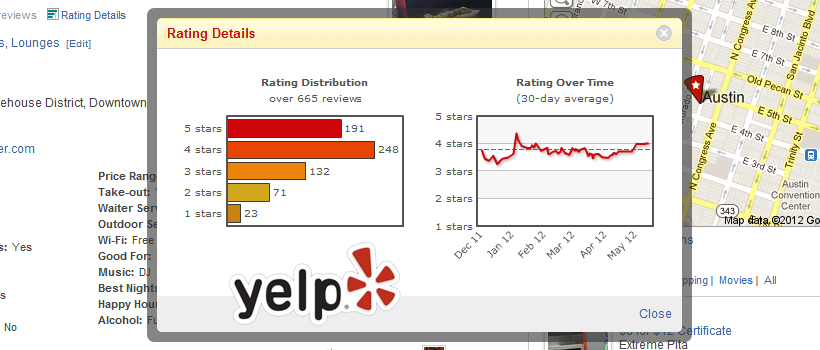
Frank has earned over 665 Yelp reviews, and has been identified as an Act of Genius company. Frank has opened a second location in Nacogdoches, in East Texas, and we anticipate that the brand will continue to grow.

Images courtesy of Frank at HotDogsColdBeer.com

Adobe EchoSign: free contract management, e-signatures

Adobe acquisitions save businesses big dollars

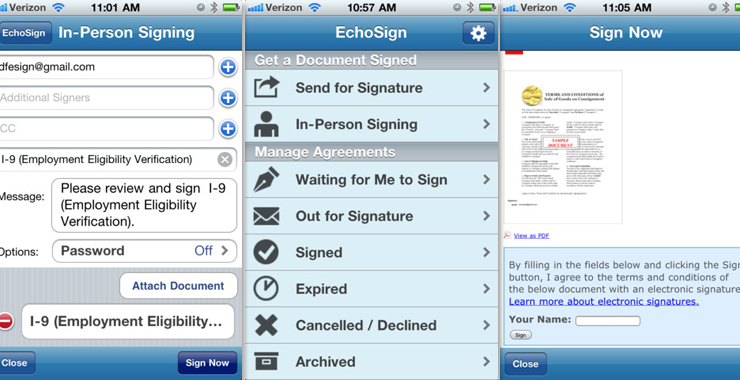
Adobe has not only acquired EchoSign, an e-Signature platform, the company integrates with Dropbox and Box.net, which store documents in the cloud for collaboration. Combining EchoSign and cloud computing with Adobe makes free tools that once cost large amounts of money. Additionally, business professionals are looking to this new suite to save time, reduce the learning curve for all parties, and does not automatically lock a document, allowing real time updates to any PDF. The service is already in use by companies like Groupon, Facebook, Comcast and Pandora.

Adobe says there is nothing to install or download for anyone who already has the free Adobe Reader, and can be used by anyone with a desktop or mobile device, streamlining the signature process. Now any document can be edited and sent out for legally binding e-Signatures, compatible with the iPhone, iPad, Android and more, and in most cases, users with the updated Adobe Reader already have EchoSign built in, whether they know it or not.

Users can send documents from their EchoSign library, photo album, email attachment, or through other apps like Dropbox and Box.net. Live status updates are offered on all agreements being tracked, and executed agreements are stored in a user’s EchoSign account. Additionally, users can add sticky notes for others to read, offering explanations or directions to a PDF out for signature.

Adobe seeks to make EchoSign ubiquitous

Mark Grilli, Senior Director of Product Marketing, Acrobat Solutions at Adobe said in a statement, “There’s no question that eSignatures are changing how we do business today. That’s why we want to make our EchoSign eSignature service as ubiquitous, as, well, Adobe Reader. We expect it will make electronic signatures the common way for people to sign documents whether from their desktops or their mobile devices.”

EchoSign added, “We’ve also dramatically enhanced our desktop Reader eSignature capabilities for the 1,000,000,000 users of desktop Reader. Now, just like on the EchoSign web app, you can e-sign freehand with a mouse or type your signature; fill-in and save forms (a first for a free Adobe PDF product); and send out for signature via EchoSign. And both mobile and desktop readers will remember and save your signature for next time.”