






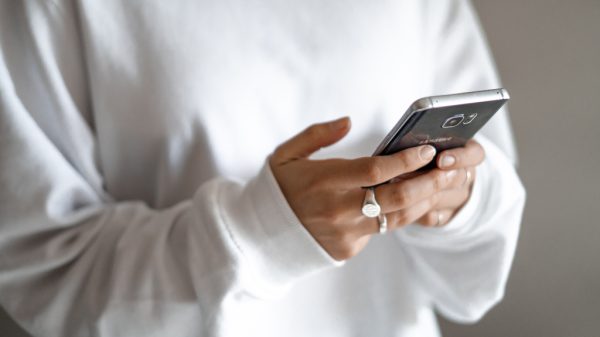




















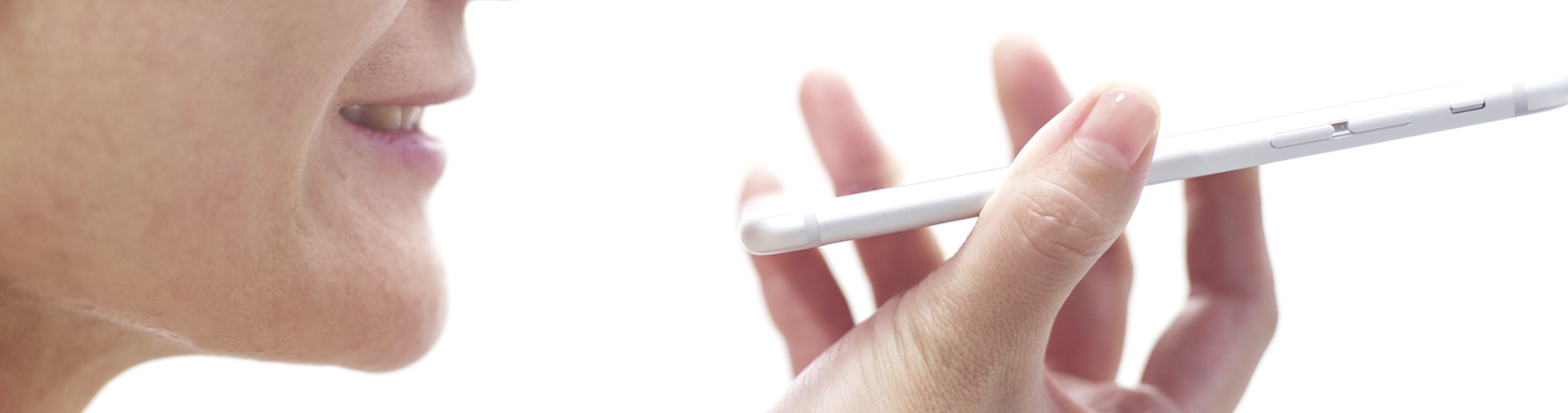
A friend of mine, an Italian guy who moved here from Southern Italy several years ago, tries to use the voice-controlled personal assistant (VCPA) on his smart phone.
I love it because with his accent and pronunciation the phone is always misunderstanding him. It’s funny but also tragic because it sums up the plight of VCPA’s in general: Either the owner doesn’t understand the function or the phone doesn’t understand the owner. Think I’m kidding? According to recent studies, few mobile phone owners actually use a voice-controlled personal assistant regularly.
The best friend you’ve never head
eMarketer reports that a June 2015 survey from 451 Research found that “13% of US mobile phone owners use a voice-controlled personal assistant on their device daily. Some 14% use it weekly and 10% of respondents said they have used a voice-controlled personal assistant monthly, adding up to 37% of mobile phone owners who regularly use a personal digital assistant.”
I wouldn’t think those are the kind of stats you want to brag about. To make matters worse, it’s not just a case of not having a phone with VCPA. Nearly 17% of mobile phone owners said they do have the option, but have just never tried it.
Use or abuse?
This is not to say that people don’t use the function. Siri, for example, is widely popular among those that embrace it. Sheer numbers seem to dictate that eventually we will all use a voice-controlled personal assistant: eMarketer estimates that in 2016 there will be 177.8 million mobile phone search users in the US. At the end of the forecasting period, there will be 221.0 million.
Interaction with our phone can only become more intimate and maybe that’s the key. We’re all ready more comfortable speaking into a phone than with a real person. Now all we need is the phone to really understand us. Who better than my phone to bolster my spirits after a hard day at work?
#YouRang?