
Home Blog Page 286

Felt: mail a handwritten card right from your iPad

felt

What is Felt?

Felt is an app for the iPad where you can create a real handwritten greeting card. You’ll select a blank card from Felt’s options, and then add your own personal message in your personal handwriting. Fill out the envelope with your writing and it’s then sent to Felt where they seal it up, add a stamp and mail it out.

The results: the look of a store-bought greeting card, without the hassle of going to the store, getting the card, filling it out, and running it by the post office.

How does it work?

When you download the app, you’ll have the option to tour the features and how to use it. To send a handwritten card, first you will select a predesigned blank card from Felt. Then, you will select a pen and an ink color to make your message more personal. After you have written your message, you can swipe over the envelope and write the mailing address, as well as, the return address, making it look just like a real handwritten card.

Felt will then print your customized card on premium cardstock, seal it in a kraft paper envelope, add a fancy stamp and place it in the mail (the site says they use the United States Postal Service First Class Mail.) So it can take 2-5 days to arrive to your recipient, but they do their best to get the cards out within 24 hours.

They do recommend using a stylus pen for the writing, but when I used my finger it turned out surprisingly well. The app does have a palm rest, so that when you rest your palm on the iPad screen, it does not mess up your writing, which is a nice feature. But, I encounter some problems writing on the envelope because my handwriting tends to be a bit on the large and swirly side. So, I tried it again with a stylus (and more controlled writing) and it turned out just fine.

The app itself is free, but each card you send is $3.99 and you can only send within the Unites States. The site states that they are “hard at work on an international shipping solution.”

Why use Felt?

Sometimes we get busy and Felt is a quick way to say “thank you” or “please come again” without leaving the office. This could also be a quick and easy way to send out notes to clients. It would also be helpful for networking too. If you have a conference and really connect with someone, you could show them that you really appreciated their time and effort by sending them a handwritten card. It will look like you went out and bought it, but it will only take a few taps to fill it out and get it mailed.

There are free e-card services available, of course, but there is something about a handwritten card that you receive in the mail, rather than through email, that makes it more personal. There always seems to be more thought behind an actual card, as opposed to an e-card. It is especially nice to be able to tangibly hold it in your hand. And, for those times when you do not have time to get to the store, or cannot find a stamp, or have simply forgotten to send a card, Felt, gives you a simple, fast, alternative while still retaining that thought felt, handwritten, sentiment.


Why saying NO can be the best thing for your business

saying no

Saying no is empowering, but often ignored by businesses

While in our personal lives we have been taught that saying no is empowering, when it comes to business, “yes, we can,” seems to be the go to phrase. There are some times, however, that saying no is the boost your business needs.

Saying no in the following four situations is good for business no matter what your conscience may be telling you:

  1. Say no if you mean no. If a client or business has a proposal that you cannot accept, say it. Don’t say that you wish you could or that you’ll see what you can do. Say what you mean. In the business world, the only thing that means no is no. Leaving any room for interpretation is a waste of everyone’s time. The client will likely follow up with you repeatedly until you give a firm “no.” Taking these phone calls and checking and responding to these e-mails is a song and dance that takes time and focus away from your “yes” projects, and ultimately, it is a sign of respect for the other person’s time to just say no.
  2. If you can accept the project, just not in the projected time frame, be honest about it. Everyone has experienced being “worked in “to the schedule. A client or project sitting idly because you couldn’t say no isn’t good business.
  3. When you were getting your business started, you may have done some favors for friends for the purpose of networking or advertising. That was good for start up, but it is time to start saying no to such favors. You can do favors for clients who bring in a lot of work, or you can give discounts for referrals, you can even barter, but you must say “no” to friends asking for free favors.
  4. As the boss, try implanting a weekly “no” day. No overtime, no working late, no taking work home. Being able to consciously separate work and home is something your employees must be able to do in order to do quality work, and showing that you value them and respect their needs can only increase morale.

Sometimes the things we say no to can add value to the things we say yes to. When saying yes will take away from the quality and integrity of your work, it’s time to say no.

What no one is telling you about commercial real estate

secret

Commercial real estate is filled with hidden truths

There are some things that most people don’t know about commercial real estate investments. Some things that are not put in writing, are not taught, and won’t show up on a Google search. After many years studying the topic of investment and commercial real estate, I have found several hidden truths, not talked about around the water cooler.

They are however, shocking. I will attempt to uncover some of these in the months to come, but for now, we’ll just start with this: the rate of return doesn’t matter. What the what?

You may have been previously programmed to believe that this was the end all, be all of investment real estate. Quite the opposite. While it is true that a higher rate of return will build your wealth faster than a lower rate of return, it is not the only factor.

Experienced versus new investors

Take for example an experienced investor that has a rate of return required of let’s say 15 percent. They invest in mobile home parks and have had a very successful run over the last few years. And now, let’s say we have a rookie investor, they have never even closed on an investment property of any kind before. They too are investing in mobile home parks and will be receiving the same 15 percent return.

So far so good, right? Except, the 15 percent return for the rookie is not equal to the 15 percent return of the experienced investor. Why? Several reasons, and while opportunity costs may be a correct answer (more on that in a later column), the main reason is due to risk tolerance.

If you are new to real estate investing, it may be worth it to first go for a lower rate of return than a higher rate of return. This is contrary to popular belief. Your first couple of deals, your first deal in a specific property type or investment strategy is going to be uncomfortable for you at first.

You are going to feel it in your stomach, your headaches, and the arguments at home over it, the figuring out of systems, the growing pains, and sometimes the heart ache. Don’t worry though, these are all common side effects of investing in real estate, they too shall pass.

So while that 15 percent is by all accounts a great rate of return, if you have to have blood, sweat, and tears to enjoy it, it may just be easier to go with a slow, steady, and lower rate of return. Because you will also have to compete to get that rate of return against that experienced investor that has already been through the learning curves and enjoys that 15 percent quite comfortably.

The number one thing in real estate investing is not the rate of return, but your risk tolerance. Make sure it’s an investment you can stomach or the return won’t matter. And that is something that all those property blasts won’t tell you.

What everyone should learn from the Taco Bell kerfuffle

taco bell

Taco Bell took a lickin’

Memo to all PR and social media consultants: Taco Bell will survive this week’s licking and keep on ticking. If you were to search Twitter over the last couple days on the term “Taco Bell,” what you would find is mostly three types of results:

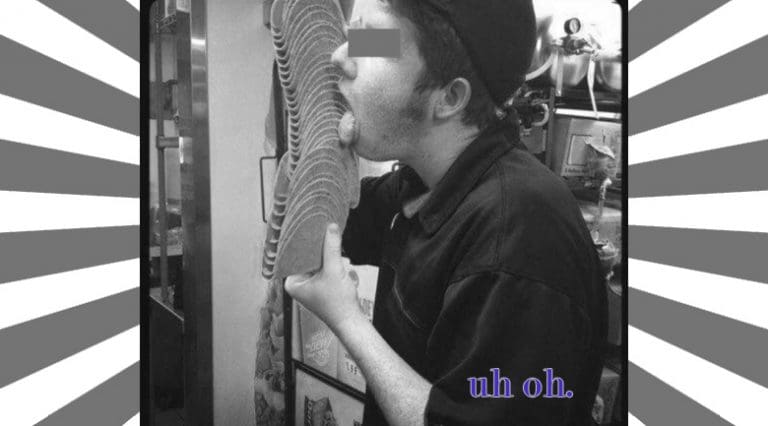
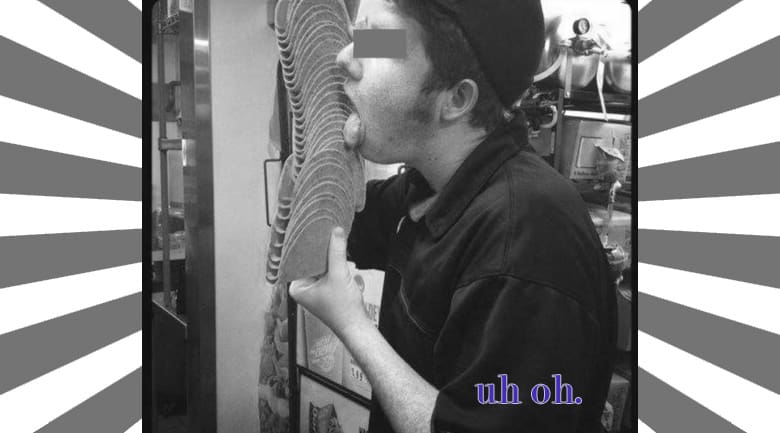
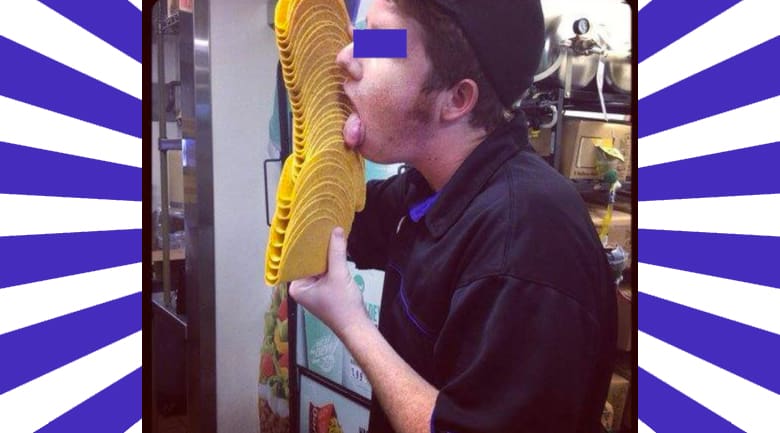
1. A whole bunch of PR professionals and news outlets tweeting about a photo of a kid/employee licking taco shells at a California franchise,

2. A bunch of normal people tweeting about how they are addicted to Taco Bell, or,

3. A bunch of normal people disparaging the quality of Taco Bell’s food completely unrelated to the shell licking media frenzy.

How it actually went down

I saw very, very few instances of people messaging that their willingness to eat at Taco Bell would be impacted in any way by the taco licker and the few who did generally said the incident was “just another” reason they wouldn’t eat there. It is unlikely this situation will have any sustained impact on Taco Bell’s business despite the prevailing perception by PR professionals that Taco Bell’s response was inadequate.

There are certainly best-practices that a company should follow that will likely decrease the impact of a crisis event and protect their reputation, but it is also easy on occasion for those of us who make our living advising businesses regarding their communications practices to apply those practices independent of practical realities. I agree that Taco Bell could have made better use of their social media properties to spread their response regarding their priority for the health safety of their food, but that they didn’t had little impact in the end because so many other people did it for them.

Reading down the Twitter results it felt like every local news outlet of every major news network covered the story and tweeted the photo. And in nearly every one of those tweets, the news outlets referred to the statements made by Taco Bell.

The average business cannot count on the media doing their job for them but being the national company it is, Taco Bell – whether by design or not – avoided having to fill their own social media stream with bad news about their company. They just went on selling tacos while the media voluntarily covered the response. And who is the average consumer going to trust more – a company’s social media feed or the message their local media outlet is spreading?

All of that said, you really would be wise to develop a social media and crisis communication response plan for your own company and when a problem comes along, implement that plan through all the channels you normally use to communicate with your customers and other stakeholders. Every time an event occurs that shows your business in a negative light, your company’s reputation can be injured and you cannot simply hope that others will spread your response for you.

Crowdfunding on its way to becoming mainstream

cash

It’s official, crowdfunding is going mainstream

If something is popular or trending, it’s only a matter of time before it gains so much of a following that it starts to become mainstream, and such is the case with crowd funding. Whereas in years past, entrepreneurs would likely go to a bank or credit union for funding, today a larger number of the them are also considering crowd funding options. And although it was first seen as an edgy alternative (well, as edgy as finance can get), for project owners to take things into their own hands and appeal to the masses, corporate players are also looking to get into the mix.

For instance, last month, CNBC premiered Crowd Rules, a reality show in which entrepreneurs compete for audience votes in order to win $50,000, illustrating the huge inflection point that industry is now experiencing, which is a huge advancement from the more standard route of making a Kickstarter. The probability of project owners obtaining investments is still hugely subjective, and depends on how much they are able to persuade investors and peers to back them, but now TV networks and high profile business people are placing the industry in the spotlight. A&E has also partnered with crowd funding site Rocket Hub in order to showcase the unique stories of entrepreneurs who have received funding, and even Donald Trump has started a site open to anyone looking to raise money.

Why are more business people flocking to crowd funding?

Perhaps because we are now in a digital age that is flux with new technologies and innovations. We rarely do things in the same form as generations before, and now more than ever consumers have a need for instant gratification and the desire to control personal and business outcomes. “Everybody likes to have their hands on the green button,” says Kevin Berg Kartaszewicz-Grell, the director of research at massolution. Not only does it empower individuals to raise money, it’s also attractive to supporters who want to be a part of something larger than themselves.”

Although some could say entrepreneurs who turn to crowd funding instead of a financial lender might have issues with relinquishing control, it might just be that they are so passionate about their businesses that they feel no one else can present it to the public quite like they can. One of the beauties of crowd funding is that project owners can go beyond the numbers and estimations and showcase the unique selling points of their business that the investor community can connect to. Crowd funding portals allow for a more social aspect to investing, and if the influx of recent TV network partnerships and celebrity spin offs are any indication, this is apparently the place to be for investors and entrepreneurs alike.

Facebook bans mastectomy photos as porn, then says oops

mastectomy

Facebook bans mastectomy photos

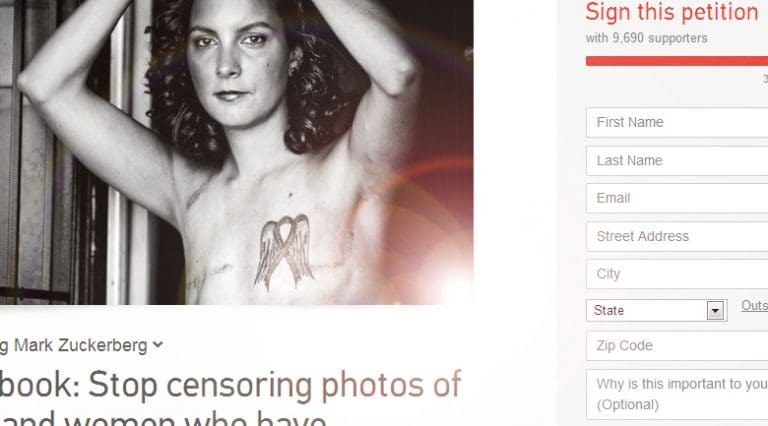
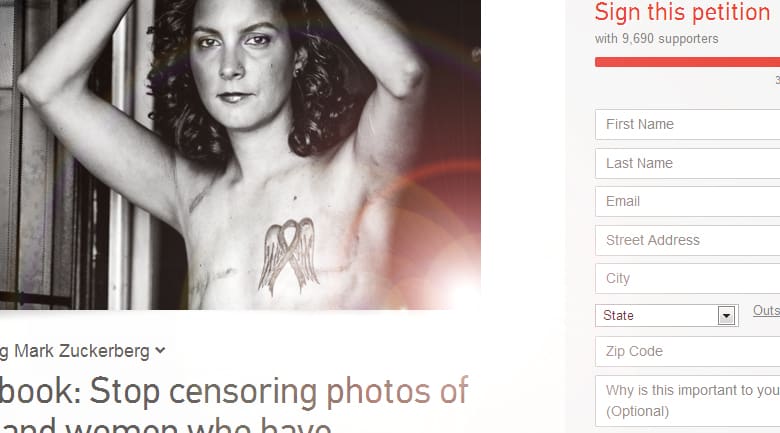
In response to Angelina Jolie’s decision to make public her double mastectomy, the SCAR Project posted 24 professionally shot photos of breast cancer survivors and their bare chests filled with surgery scars, some even featuring reconstructed nipples. Facebook has a very firm stance against porn and flagged images are reviewed by staff and either removed or left alone, and they handle millions of pieces of content every day.

The photographer behind the SCAR Project told NBC News, “I can’t imagine anyone finding anything pornographic or sexualized or even offensive in any way,” as the portraits are designed to “put a raw, unflinching face on early onset breast cancer while paying tribute to the courage and spirit of so many brave young women.”

But in a knee-jerk reaction, Facebook removed many of the photos and the photographer was blocked from his account for 30 days, leading to a Change.org petition urging Mark Zuckerberg and Sheryl Sandberg to “stop censoring photos of men and women who have undergone mastectomies.” More than 9,000 people have signed the petition.” As of publication, 9,690 people have signed the petition.

Facebook has said that because they process so many pieces of content for terms of service violations, it must have been a mistake. Facebook has met with the photographer to address how to better process images that are flagged and the social media giant now says they support the SCAR Project.

Hasn’t Facebook learned yet?

Do you remember last year when photos of mothers breastfeeding were being removed by Facebook and called pornographic until nursing moms revolted and the social network changed its tune? This isn’t the first time Facebook’s screening process has been the topic of discussion and will not likely be the last.

While a strong stance against pornography is merited in an environment that allows minors, there are some images of the body that are not sexual in nature and are actually important to causes like breast cancer and breast feeding. It is likely that Facebook will be pushed to continue developing their terms of service to account for images of this nature.

Frank & Oak finds fashion under $50: curation trend is hot

frank & oak

Frank & Oak is a perfect example of the curation trend

The rise of curation is at an all time high, as companies scour the web for you, bringing forth what they deem to be the best buys or the best content or the best ideas. In retail, stores used to take an open mind to the World Trade Center closest to them, and with a wholesale license in hand, they find the best products for their shoppers, order said products, and feature them in their store. Curation today is simply a different path of doing something similar in that it is all digital and companies don’t put their name on it, rather they feature the original company or creator.

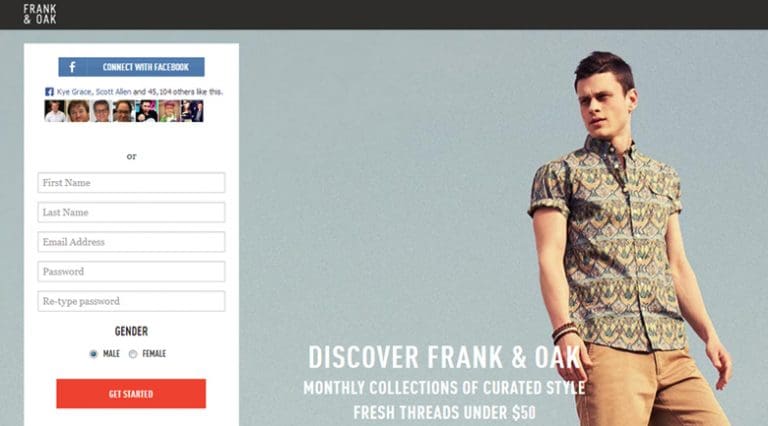
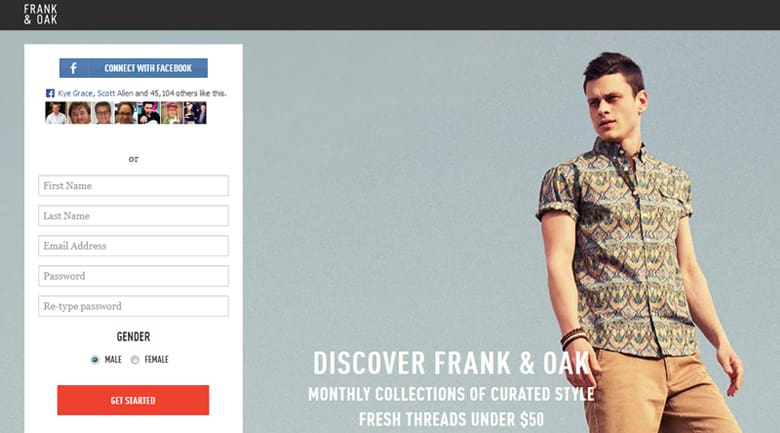
Frank & Oak is a new curation site for men’s fashion, and it takes curation one step further by only alerting users of fashion products from their own line that are under $50. “Gain access to monthly issues of curated style and never look back. Answer a few questions so we can tailor our shop to you, for the best in accessible menswear that’s fresh, simple and under $50. Don’t forget to sign up for the award winning Hunt Club for the most hassle-free shopping experience.” Easy.

Why curation is hot

In the era of distraction and an over abundance of choices, curation has become hot for two reasons. First, curation is an amazing way to learn about new brands and products and be among the first to know what’s hot. Second, curation is really popular because searching the web can be overwhelming – go search “men’s fashion,” and you tell me what you come up with. Anything you were looking for? No, because you have to narrow it down and filter through paid search results and the like.

Frank & Oak isn’t alone, and companies are curating all sorts of things and making sense of the endless data their marketing teams are ingesting. Justin Timberlake and famous stylist Estee Stanley teamed up to launch HomeMing for home decor curation, and popular curation sites include Shoppe by Scoutmob which emails out independent designers’ local wares, while The Grommet focuses on “Citizen Commerce,” emailing unique products with their makers’ stories every day.

What can you learn from curation?

People have short attention spans and search fatigue, so whatever your business, curate the best of your products or services, tell their stories, blog about them, and email them out instead of a generic website URL or a list of the millions of things you can do or sell.

If you’re a Realtor, don’t email every single listing you have, curate the most unique or hottest listings and tell their story to email subscribers.

If you’re a jewelry designer, email only two or three of your hottest pieces every week, not because they’re on sale, but because they’re hot, and tell people in the emailer why they’re popular or why they’d want to wear it.

Even if you don’t curate anything, keeping things simple but very niche-oriented is a win in today’s environment, and Frank & Oak is the perfect example of how to do curation well should you go down that path.

Can money buy happiness or is the grass always greener?

can money buy happiness

Can money buy happiness?

As I ponder this question, I can hear my oldest cackling from across the house. He’s playing hide and seek with his dad.

It may seem now that I’m going to give a spiel about the love of money being the root of all evil; I’m not. But I will dissect that quote. It suggests that all things evil are somehow related to money; it does not say that all money is evil.

Humans have basic needs, and in our society, we need money to provide those needs. Food, shelter, and healthcare cost money, and while most material things aren’t related to true happiness, basic needs are. But don’t misunderstand the word “basic.” Shelter does not mean your dream home, and food doesn’t mean brunch with the gals. Research suggests that money is directly connected to happiness until a family generates $13,000 per person annually.

Beyond that, happiness is measurably the same across all socio-economic classes.

An illustrative story of happiness

Once basic needs are met, many do struggle with feeding money into the quest for happiness in American society. I experienced this several years ago when we decided to build a house. After saving a bit, we purchased a lot and picked out a floor plan. Evil reared its head when we were sent to the design center. We were bombarded with choices and teased with upgrades. We could choose (read: fight about) carpet, carpet pad, light fixtures, and tile. We got to pick (read: fight about) wood, stain, cut, style, and pulls for the kitchen cabinets, and the bickering continued as we moved into the bathroom. There was a $130 available upgrade for a soap tray in the shower!

You know what my favorite thing about building the house is? The experience. As it was being built, we would pile into the car and drive across town to see the progress. The kids played on the mounds of dirt and made balance beams from two by fours. Once the walls were up, the kids sought out the best hiding spots and staged games of tag.

When we moved into our dream house on a cul-de-sac in a new development with the most sought after schools, we sure missed the life we left behind. Our previous residence came with a maintenance man who fished Hotwheels out of toilets. There were parks with walking trails, sidewalks that led straight to the school that out-of-district parents desperately wanted their children in. It was even a gated community. It was military base housing circa 1962. It was free.

The American conundrum

My grass here at the dream home is only greener because the high priced HOA demands it so. I’ve seen many disputes, petty arguments, and tears from my neighbors who, as Dave Ramsey says, are spending money they don’t have to buy things they don’t need to impress people they don’t like. There are parts of military life I long for. There is such simplicity in wearing your pay grade on your sleeve. The substandard (read: non-dream-home) living conditions are an acceptable trade for the experience of seeing the world and for the gift of lifelong friends from every corner of the country.

Meanwhile, back at the dream home… We sat around the dinner table tonight letting each child tell about his/her favorite part of the day. One said he liked the family walk we took. Another giggled, remembering when mom couldn’t find him in his secret hiding spot. Two were just happy we were having something they liked for dinner. One, the only girl of the bunch, said she liked summertime with her family. But, of course, this moment was brought to you by the money I had to put food on the table.

Can money buy happiness? It’s an American conundrum.

Why WordPress users need Twitter cards plugin

twitter cards

What are Twitter cards?

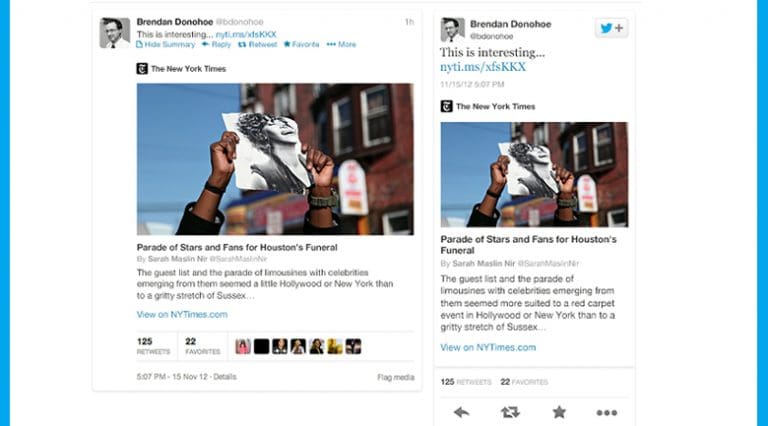
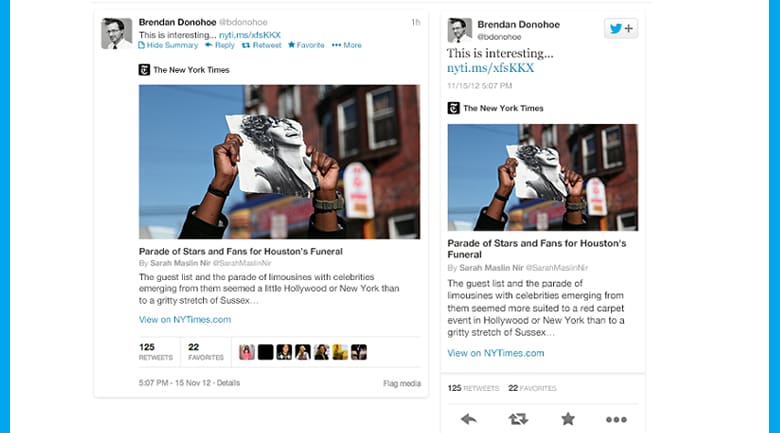
Twitter cards enable you to attach media experiences to Tweets that link to your content. When you click on a tweet, it’ll show more information about that tweet such as its title, a short summary, image, Twitter account and source link. Simply add a couple of lines of code to your web pages, and users who Tweet links to your content will have a “card” added to the Tweet which is visible to all of their followers. Now, you can achieve this with a WordPress plugin.

There are six different types of cards that can be attached to Tweets, depending on your needs. Each card is a bit different in its consumption experience for Twitter’s web and mobile users.

  • Summary Card: A default type of card, including a title, description, thumbnail,
  • and Twitter account attribution.
  • Large Image Summary Card: very similar to a Summary Card, but offers the ability to make the image the prominent feature.
  • Photo Card: A Tweet-sized photo card.
  • Gallery Card: A Tweet card made to feature a collection of photos.
  • App Card: A Tweet card that provides a succinct profile of an application.
  • Player Card: A Tweet-sized card that plays video/audio/media.
  • Product Card: A Tweet card to better represent product content.

How do you use them with WordPress?

To successfully integrate Twitter cards into WordPress, you will need to complete three steps:

First, install the JM Twitter Cards plugin. Then, navigate to “Settings/JM Twitter Cards” and follow the plugin’s instructions. Finally, you’ll need to go to the Twitter cards validator. Here, you will put in your URL to ensure that everything is working correctly and then it will ask you to approve your URL. You should then begin to see your Twitter cards for your content.

If, for some reason, the validator tool shows your site is not valid or working, try waiting a couple of hours, because once you’ve asked to get validated Twitter says it can take weeks to get accepted, but in reality, you should be accepted right away. If not, don’t panic.

Why do you need them?

Up until now, Twitter has been a text based service. Sure, you could include links, but with cards you can actually share media. This will make it a more visual social media outlet, like Facebook and Google+. If you are thinking about using it with WordPress, it can help expand your social network by promoting your blog, expanding your exposure with a new product or service, or just by visually promoting yourself. The biggest advantage of having Twitter cards is that it has the potential to increase the number of people following you through content attribution.

Often, people Tweet your links without giving you proper credit. People will Tweet your articles without tagging you and Twitter Cards help with this immensely because you can add content without affecting the 140 character limit (it will all be embedded). Once you are set up and running with your Twitter card, you will wonder why they didn’t think of this sooner.

Use of Rosie the Riveter in ad being called sexist, but is it?

swiffer rosie the riveter

The curse of attempting vintage imagery

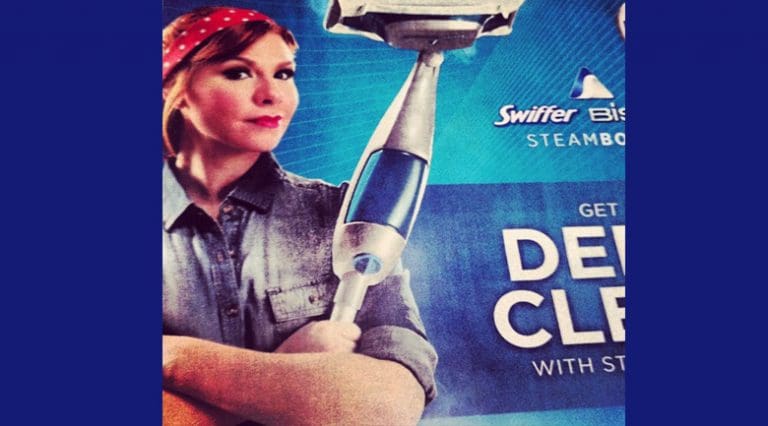
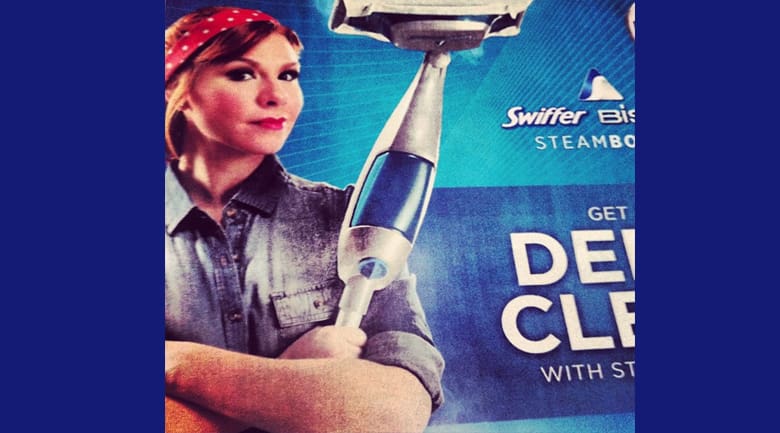
It was recently uncovered that the Swiffer brand invoked the image of Rosie the Riveter from the WWII “We Can Do It!” campaign that got women to work outside of the home. The new ad campaign has been highly criticized and called sexist, but is Swiffer really just trying to go vintage as so many other brands have done (and hipsters dictate is “cool”)?

Swiffer told HuffPo, “We are aware of the concerns regarding an image in a Swiffer ad. Our core purpose is to make cleaning easier for all consumers, regardless of who is behind the handle of our products. It was not our intention to offend any group with the image, and we are working to make changes to where it is used as quickly as possible.”

You weigh in

So, is the use of Rosie in this fashion sexist, or is it reinforcement that even housewives are badass? We asked on Facebook what your thoughts were and they were predictably diverse.

Vicki Moore asked, “where’s their creativity? I hate the ad – using Rosie that way is sacrilegious. She’s an icon and statement of the era.”

Katie Miquoe Dalrymple was equally against invoking Rosie, saying, “It’s really just extremely ignorant. I can’t imagine them putting this ad together AND truly understanding that they are advertising polar opposite stereotypes unless they were trying to lose their job. But it’s truly amazing what pure stupidity can get through a whole team of people.”

Kelly Saccomanno opined, “it’s a big *facepalm* moment of advertisers distinctly Not Getting It. Dummies. I mean, oooh, so revolutionary. Expecting women to do housework.”

Par for the course?

Whether for or against the image, perhaps this kind of “shocking” advertising is just par for the course.

“Well let’s be completely honest,” Tara Sybrant stated, “it might be a horrible use of ‘Rosie’ but the fact of the matter remains that people are talking about the ad- good or bad, it did it’s job. There is an over saturation of marketing and advertising in this world and as a marketer the day that someone starts talking about your ad, good or bad, is a good day. We need to push boundaries to be noticed, to get the job done. It’s a challenging time to be a marketer trying for the limited attention span of today’s consumer.”

Loren Nason was more blunt in saying, “big woop… keep bitching all you want about a lame ad. It just gets them more eyeballs which is all they want.”

Good point.

Interesting thoughts on the subject

Rachael Glosser noted that “even strong, powerful, and independent women have to mop the kitchen floor sometimes,” so perhaps the image isn’t as negative as many are taking it.

Eve Richter said, “having a GUY in that picture would have made it funnier and a better commentary. As it is – yes, [it is] sexist, and indeed pissing on the icon’s legacy. Just stupid.”

Sharon Mays agreed. “This ad is lame and a missed opportunity to actually market the product. It’s pretty pathetic that whoever created this campaign didn’t stop to think about all the other demographics that would use this product but are not typically the target audience. Why not feature a person in his/her first apartment or home? Or someone tackling a huge mess, like a Dad cleaning up after his messy toddler? That might actually resonate a positive emotion and encourage a purchase. Using Rosie the Riveter is just stupid. This is an icon that was created to empower and encourage women to join the workforce during wartime. Now she’s promoting cleaning? Pathetic and Stupid.”

What do you think? Is Swiffer’s use of Rosie the Riveter sexist, supportive of the strength of women, or simply an expected marketing tactic?

Housing affordability gap is widening in America

housing affordability

The housing affordability gap is widening

According to the May Trulia Price Monitor and Trulia Rent Monitor, asking prices for homes rose 1.1 percent compared to the previous month, and while it is a substantial improvement for one month, it is a slower pace of improvement than the previous three months. Home prices have risen 9.5 percent compared to May 2012, Trulia reports.

Of particular note, the report indicates that the housing price recovery has actually put the least affordable housing markets even farther out of reach, as prices rose over 20 percent annually in Orange County, Oakland, and San Jose, the three least affordable markets. Overall, in the 10 least affordable markets, prices rose 16.3 percent, substantially more than the national average of 9.5 percent during the same period.

The affordability gap is not just widening for home buyers, but for rentals, as in two of the least affordable rental markets – Miami and Boston – rents rose more than 5 percent annually while national rents only rose 2.3 percent.

People might think about relocating

Trulia says this affordability gap will make more people think about relocating from expensive to cheaper markets – and may create headaches for national housing policy.

“Home prices are rising fastest in the local markets that were least affordable to begin with,” said Dr. Jed Kolko, Trulia’s Chief Economist. “As the gap between the most and least affordable markets widens, more people in expensive markets like California will look to relocate to cheaper markets like Texas when the time comes to buy.”

“If you own in pricey markets like Honolulu or San Francisco, or rent in expensive places like New York or Miami, you could be spending more than half your earnings on housing,” Dr. Kolko added. “Even spending one-third of your pre-tax earnings on housing can stretch the family budget. But to own in more affordable markets like Detroit, Houston, or Atlanta, you’ll spend much less than one-third of your earnings on housing – leaving a lot more money left over to spend on other things or build up savings.”

Trulia+Price+Monitor+Line+Chart+May+2013

Common words the gov’t uses to monitor social networks

monitor social networks

Government monitoring social networks

It sounds like something from a conspiracy theorists’ website, but as it turns out… your social media posts actually are being monitored in an official capacity and it has been uncovered exactly which phrases and keywords that the Department of Homeland Security uses to monitor social networking sites.

DHS is not so much worried about what you had for dinner, but more along the lines of finding “signs of terrorist or other threats against the U.S.” So, what words are they looking for? Well, if you tweet about Food Poisoning, Bust, or even Tornadoes – your post may ping DHS.

The list was posted by a request under the Freedom of Information Act by the Electronic Privacy Information Center who sued the Department of Homeland Security to release the information. Homeland Security states that they use the information to identify ‘media reports that reflect adversely on DHS and response activities.’

Even still, I don’t know how I feel about my information being monitored. We all know that everything posted online can be tracked and isn’t personal, however it still feels like a bit of an intrusion. It makes me slightly uneasy, but not because I’m planning on doing any harm… but it kind of feels like I’m being watched by spies. Which, I guess, I am.

Words used to monitor social networks

That being said, I see the absolute necessity for the monitoring. Whether I know how or not, I am extremely grateful for all that our national security does for us and that diseases are being tracked in innovative ways now, and that emergency situations, particularly storm situations are better monitored and guided through these efforts. If they have to read about the pork I ate which burned my mouth while at the airport on my way to Mexico and how the entire trip was a bust because of the storms and extreme weather, so be it.

I don’t know all that our country does to keep us safe, and I’m not sure I want to know everything. To me, ignorance is bliss in this area. I know that I’m not doing anything malicious, so I have no need to worry. But, there are definitely people out there who are plotting to do harmful acts and if the government missed an obvious plot out in public, the world would be in an uproar.

See the full list of words DHS tracks on social networks on page 2:

Clipping Magic easily removes backgrounds from images

clipping magic

Clipping Magic is magical. Really. It is.

If you have ever wanted to remove a background from an image, this tool will be a heavenly gift. Now, you can quickly cut out what you do not want, save what you do and move on to more important tasks.

Have an image with a background you hate, but you would love to use for promotional materials? Simply drag and drop the photo on to the Clipping Magic site follow the instructions, and you can remove the background in just a few clicks. Once you have successfully removed the background, you can save, download, or share the new background-free image via a private link.

This is an easy-to-use tool for achieving something that used to be quite difficult and required an extensive knowledge of Photoshop. It is not perfect for every image, however. If the image is fuzzy or does not have a good contrast between the background and foreground, it may be a bit difficult to perfectly remove the background. The website states, “we’re working on handling hair, blurry boundaries, and other complicated cases better,” so I am anxious to see what the site will look like when it is out of alpha testing.

Minding the details

It should be noted, that you can change the size of the cursor you are using. This seems to be the most popular complaint about using the site and I have to admit it took me a few minutes to figure out where and how to change the cursor, but you can do it. This is crucial if you have a photo with smaller details that you need to cut around. When you go to the site, after you have loaded an image, there is a tool bar at the top.

There is your red minus sign for the back ground (or whatever you wish to remove), the green plus sign (for whatever you wish to keep), a blue eraser to change mistakes, and then you’ll see a drop-down box that says (default) “30px.” If you click on that box you will be able to change the size of the cursor tool. Also, you can change the type of background, zoom in and out, and rotate the image. All of this is done from the toolbar.

Even with these few exceptions, for most users, this is an invaluable tool for changing backgrounds. For example, you can use this to change your Facebook cover image. You can take your logo, alter the background, add a new one, say to coincide with a new product release, seasonal change, or just for fun and with just a few clicks you will have a brand new image. Also, you can use this for profile pictures. Sometimes we have a really great photo, with a not so great background.

This tool can remove the unprofessional background, allow you to change it to a more professional one, without the time and cost of having a new photo taken. This could also be an invaluable too for marketing. If you have images you want to use with flyers, postcards, business cards and the like, but you want to change it up now and again, this is the perfect tool to get it done quickly and efficiently.

Clipping Magic is absolutely free while in alpha testing, but you can sign up for alerts and freebies at the bottom of the page.

PicMonkey photo editor adds five new fonts

picmonkey

PicMonkey adds new fonts

When online photo editor Picnik closed, many tears were shed. But those tears dried up when some of the original Picnik folk launched PicMonkey, a mostly-free photo editor that is similar to Picnik, only more modern, and dare we say sexy. PicMonkey is relevant because Photoshop is out of reach for many people, and there are some things that can be done without a graphic designer (sorry, graphic designers).

Maybe you’re an entrepreneur who is blogging to get your brand out there and you just need better looking photos in your blog posts, or you are a team leader and need some flyers to be printed on a zero dollar budget. That’s PicMonkey’s sweet spot, and while most features are free, there is a pro version that unlocks all features.

This week, the company has announced the launch of five new fonts to round out their offering, and we took note not because it is a new feature (trust us, we hear about new features all day every day), but because of the actual fonts chosen that bring the service ahead of some of its competitors, offering both modern and professional fonts alongside the more hipster flavored fonts.

While Futura is a commonly used font, Geo Sans Light works as a great substitute, and Mossy looks like what the hottest Instagram users apply to their photos for that extra oomph.

We encourage anyone on a budget or anyone who lacks technical skills to go play with PicMonkey and get your toes wet so you can get used to using it for flyers, better imagery for your blog and website, or even simple things like making your headshot look less Glamor Shot-y and more modern.

picmonkey

10 brands like Volvo, JCP, Nook will disappear in 2014

jcpenney-stor

10 brands that look to be in trouble

Each year, 247WallSt.com identifies 10 important brands sold in America that they predict will disappear before 2014. This year’s list is filled with companies being torn down by innovation, competition, and financing. The take an in depth look at the state of 10 brands in trouble by analyzing sales, losses, market share, public disclosures that may indicate a parent brand will sell the company, sold companies, bankruptcies, loss of customers, and so forth.

The 24/7 analysts claim the following ten brands will disappear in 2014 based on their research:

Rank:Brand:Top Reason it Will Disappear:
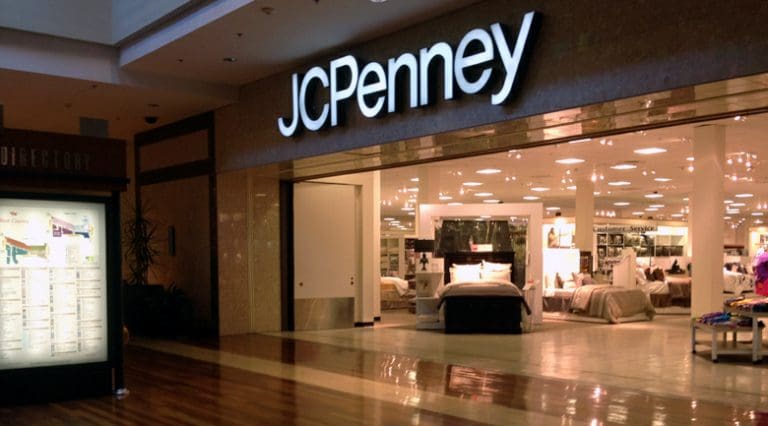
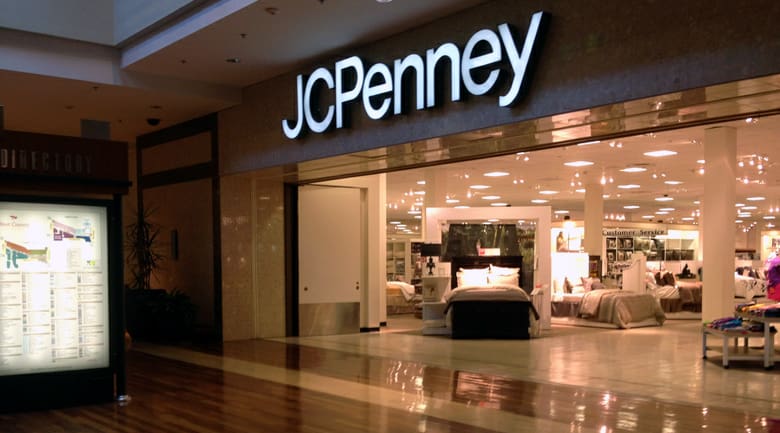
1JCPenneyAs Macy’s, Target, and Amazon.com are seeing healthy growth, JCPenney has had a lot of drama in recent years, seeing dramatic sales losses that many speculate are insurmountable.
2NookDespite a lifeline from Microsoft’s massive investment, the Nook just doesn’t appear to be able to withstand competition from Amazon’s Kindle or the iPad, not to mention e-reader sales are declining overall in favor of tablet computers.
3Martha Stewart LivingMartha Stewart Living Omnimedia Inc. has three divisions: publishing, broadcasting and merchandising. Broadcasting and merchandising look great, but publishing is in the tank and is seeing massive losses and abysmal ad sales. Having already shuttered Everyday Food and Whole Living magazines, Living could be next or at least taken out of print and put online only.
4Living SocialThe coupon phase is dying, and competition is tight. Amazon.com wrote down their $175M investment in Living Social by $169M last year and the company lost $50M in the first quarter of this year alone versus a $156M profit in the first quarter of 2012.
5VolvoAs of April, Volvo’s market share has plummeted to 0.3 percent and sold only 19,571 vehicles in the U.S. last year, down 8 percent in a market where sales are trending up overall. In addition to that, several Chinese Volvo dealers committed fraud and the brand is generally thought to be in trouble.
6OlympusHaving dwindled to only 7 percent of the market and three straight years of losses, pledging to stop issuing dividends to investors until they are back in the black, which they and others don’t project will be soon.
7WNBAWith attendance and tv viewership in the dump, the brand will not likely survive current WNBA advocate and NBA commissioner David Stern’s retirement in 2014, and as profitability diminishes and teams disappear, the writing is on the wall.
8Leap WirelessT-Mobile and Sprint have snatched up all of the small wireless companies, but no one seems to want Leap Wireless whose shares are down 90 percent in the last five years. They won’t be able to build a comparable 4G network or pay debts, and is likely headed for bankruptcy.
9Mitsubishi MotorsWith the biggest decline in sales of any brand in America last year, selling only 60,000 units, mostly lower-priced, this company could exit the U.S., particularly after being ranked third from last in the new J.D. Power vehicle dependability survey.
10Road & TrackHearst bought this famous auto magazine in 2011 and also owns Car & Driver, both of which have seen a dip in ad sales, but Road & Track has been hardest hit. Both headquartered in the same city, consolidation of the brands is a possibility.

Which of these brands will have what it takes to turn things around, or will 2014 see the death of some very old brands alongside a few startups that may not hold up to the test of time?

Taco Bell taco licker fired, exposing big challenge for brands

taco-bell-taco-licker

Taco Bell taco licker fired, what now?

A young Taco Bell worker posted a prank photo of himself licking a stack of taco shells, ultimately resulting in his being fired as he has confirmed on Reddit. The photo went viral and fans expressed outrage and fear that they would be victimized by being served licked taco shells.

Prior to firing the employee, Taco Bell said in a statement, “Nothing is more important than the safety of our customers and team members, and we have strict food handling procedures and zero tolerance for any violations. When we learned of the situation we immediately contacted the restaurant’s leadership and although we believe it is a prank and the food was not served to customers, we are conducting a full scale investigation and will be taking swift action against those involved.”

The statement alludes to speculation that the shells were probably on their way to the trash anyways, but fans stated outrage nonetheless, with one Facebook user saying it didn’t matter whether they were trash or not, as “he is a representative of Taco Bell while working and in uniform and by doing this and posting it online for the world to see he is ruining the reputation of the company… Who would want to go to a restaurant if there is the possibility that their food is being licked?”

Wes Abdi wrote on Facebook, “I know the person in the photo, not just from work, but from school as well; and I know that he is not dumb enough to lick a stack of taco shells and then serve them to the public,” Wes Abdi wrote. “There is a 99% chance that that stack of Tacos was getting thrown out, as in: getting thrown away, so it’s not as if they were going to be served to anyone… This was obviously done out of humor.”

The underlying problem most have overlooked

People in the service industry have been spitting in food since the dawn of time. They’ve been young, underpaid, smart alecs in many, many cases, so why is anyone surprised at this prank photo? We agree with Abdi that it was clearly a joke and while it is within Taco Bell’s right to fire the kid, they have clearly failed to properly train their employees, as most brands have failed.

They didn’t fail to teach food safety, no, they failed to illustrate the value of their brand, their copyright, and their logo to their team members. The big deal here is not that the kid shot a silly photo, but that he’s in uniform. Anyone under 25 inherently is comfortable in front of a camera and is willing to share every detail of their life publicly through the web, so this type of prank behavior is simply transitioning from the private to the public and will become increasingly more common. So what do brands need to do?

Brands of all size must will look at this clash between common youth culture and corporate culture and overreact. There will be forms to fill out that make all applicants swear they will never take a photo of themselves in uniform or mention the brand name or put on LinkedIn where they work, lest the suffer the consequences.

What brands must do, however, is train on what the logo and brand name mean, and how using words or images that are trademarked can lead to negative attention to the brand and put the reputation of a company and that every employee’s standing at risk. But what would have happened if this kid had taken a picture of himself saving a kitten from a well? He’d be a hero and the brand would be pumped, but young people fail to understand that it isn’t whether attention is positive or negative, but that the brand get the chance to be involved in that message before it is public.

Kids understand social media, but not the professional reputation management portion of it, and why would they? They’ve never used it professionally. So brands, make your trademarks a part of training without threatening, simply help them to understand how taco licking in uniform is bad.

CrowdIt launches: crowdfunding meets social

crowdfunding

CrowdIt launches for dreamers

Social crowdfunding site CrowdIt announced its official launch this week, introducing its community of Dreamers, Believers and Suits to the public. Although investors, which the company refers to as ‘Believers,’ cannot yet make donations, they can go to the website to see projects proposed by the sites ‘Dreamers,’ who are seeking to start their own business or venture.

CrowdIt cites its implementation of socialization into the crowdfunding process as one of the reasons it is different from other funding sites. “Starting today, people can support projects and soon, business professionals can join our social business network community to ignite the next wave in crowdfunding that shifts the focus from just funding to end-to-end project success,” says CrowdIt CEO, Jason Graf.

Instead of entrepreneurs utilizing the site only to seek funding, the company aims to add more substance to the interactions between Dreamers and Believers and act as a resource where the two groups can come together to collaborate on a wider range of business aspects besides funding.

Taking a stab at making it more collaborative

This collaboration is designed to take place in CrowdIt Project Groups, which will serve as a meet up between project owners and mentors that want to work together on ideas for how to strengthen the success of a particular launch or venture. When I first read that CrowdIt cited a social network type atmosphere as one of its differentiators, I was skeptical – being able to leave comments and start conversations on various projects already exists on several crowdfunding sites.

But the proposed implementation of the project groups is a beneficial element that could allow serious investors and professionals to gather in a place away from the buzz and comments taking place on the main page, and put in hours together to come up with new project goals and strategies through the crowdfunding site itself.

Since the site is not yet fully functional, evaluations on the ease of use of the site will have to come at a later time. But with more than 150 projects already teed up, CrowdIt has a sizeable pool of Dreamers eager to sync up with Believers who are are ready to invest. In the future, we will see how these projects fare in comparison to those listed on competitor sites like Kickstarter and Indiegogo.

Refinances dragging down mortgage application volume

mortgage application volume

Mortgage application volume drops. Again.

When looking at all mortgage application volume, the Refinance Index continues to drag down the overall average which includes the Purchase Index. According to the Mortgage Bankers Association’s (MBA) Weekly Mortgage Applications Survey for the week ending May 31, 2013, with an adjustment for the Memorial Day holiday, mortgage applications decreased 11.5 percent from the week prior as the volume continues to slide.

The bad news is that on an unadjusted basis, the overall Index decreased 20 percent compared with the previous week and the Refinance Index fell 15 percent, hitting its lowest level since November 2011.

The good news is that although the Purchase Index fell 2.0 percent on a seasonally adjusted basis, it is actually up 14 percent compared to the same week one year ago.

The MBA reports that the refinance share of all mortgage activity fell to 68 percent of total applications from 71 percent the week prior, marking its lowest level since July 2011 and the fourth consecutive week of decline. For most of 2012, the refinance share hovered around 80 to 81 percent of all mortgage activity, so this dip is substantial.

Average contract interest rates

According to the MBA:

  • The average contract interest rate for 30-year fixed-rate mortgages with conforming loan balances ($417,500 or less) increased to 4.07 percent, the highest rate since April 2012, from 3.90 percent, with points decreasing to 0.35 from 0.39 (including the origination fee) for 80 percent loan-to-value ratio (LTV) loans. This was the largest single-week increase in this rate since the week ending July 1, 2011. The effective rate increased from last week.
  • The average contract interest rate for 30-year fixed-rate mortgages with jumbo loan balances (greater than $417,500) increased to 4.20 percent, the highest rate since May 2012, from 4.07 percent, with points increasing to 0.28 from 0.27 (including the origination fee) for 80 percent LTV loans. The effective rate increased from last week.
  • The average contract interest rate for 30-year fixed-rate mortgages backed by the FHA increased to 3.76 percent, the highest rate since May 2012, from 3.62 percent, with points increasing to 0.32 from 0.27 (including the origination fee) for 80 percent LTV loans. The effective rate increased from last week.
  • The average contract interest rate for 15-year fixed-rate mortgages increased to 3.23 percent, the highest rate since June 2012, from 3.10 percent, with points increasing to 0.38 from 0.30 (including the origination fee) for 80 percent LTV loans. The effective rate increased from last week.
  • The average contract interest rate for 5/1 ARMs increased to 2.76 percent, the highest rate since June 2012, from 2.60 percent, with points increasing to 0.41 from 0.24 (including the origination fee) for 80 percent LTV loans. The effective rate increased from last week.

Marketing bloopers that will amaze and offend

blooper

Marketing bloopers galore

It’s Blooper Day, friends, and all I can say is, “bombs away!” If you want a few hearty laughs, check out these MLS and advertising listing remarks that self-detonated:

Incoming!

“Seller wood carry” (Another case of an Oregon lumberjack making a wrong turn and ending up in Los Angeles.)

“New – it’s here – art deco!” (Uh, you’re a little late to the party, Mr. Van Winkle.)

“Medi room with theatre seating” (How do you get the popcorn through the IV?)

“No deal with lawyers” (How does it feel to be sporting a big target on your forehead, Sue-mi?)

Fire in the Hole!

“Must remove and cover feet” (If I’d known I’d have to walk on my hands, I would have worn fancy underwear.)

“Termite and dryrat present” (You must be a real treat at the office gift exchange.)

“Near elementary and missle school nearby” (Hence the giant, smoking hole in the side of the house.)

“New sail price” (Why bother – your ship just sank.)

“Good place to raise a chile” (I suppose that’s important if you’re a gardener in Tijuana.)

Duck!

“Best dal in Hollywood” (Can I get tandoori chicken with that?)

“Call for annointment” (That depends – are you just going to dip me in oil, or will there be a Fat Fryer involved?)

“Elec gate not in worming cond” (That’s exactly why gates should not be fed uncooked pork.)

“House on hill needs fixing” (If you are referring to the Capitol Building, I concur.)

Two Targets Too Big to Miss!

“Steamer in shower” (Sounds like something that should have been left in the toilet.)

“Enjoy tennis and shuffleballs” (That explains why you’re not wearing a jock strap.)

That’s it for this week, folks. Remember: spell well and sell!

Top 30 most enlightening books for entrepreneurs

enlightening books for entrepreneurs

The most enlightening books for entrepreneurs

Entrepreneurs are often the most busy people you’ll meet, juggling endless tasks and wearing multiple business hats, and finding time to read can be a monumental task, but is one of the best ways to refine skills and gain a competitive advantage.

We asked you, the readers what books are the most enlightening for entrepreneurs and which books you would be shocked that an entrepreneur hadn’t yet read. Below are the results, in no particular order, and even non-entrepreneurs can learn from the wisdom and tips within the pages of these enlightening books:

  1. Art of the Start by Guy Kawasaki
  2. The $100 Startup by Chris Guillebeau
  3. The 4-Hour Workweek by Tim Ferriss
  4. Think and Grow Rich by Napoleon Hill
  5. Rework by 37Signals
  1. The Personal MBA by Josh Kaufman
  2. Hardball: Are You Playing to Play or Playing to Win? by George Stalk
  3. How to Win Friends and Influence People by Dale Carnegie
  4. Execution: the Discipline of Getting Things Done by Lawrence Bossidy
  5. If You Build it, Will They Come? by Dr. Rob Adams
  1. The Lean Startup by Eric Ries
  2. The Tipping Point by Malcolm Gladwell
  3. Losing My Virginity by Richard Branson
  4. Good to Great: Why Some Companies Make the Leap… and Others Don’t by Jim Collins
  5. The Goal: a Process of Ongoing Improvement by Eliyahu M. Goldratt
  1. Start With Why by Simon Sinek
  2. Crush It! by Gary Vaynerchuck
  3. Ogilvy on Advertising by David Ogilvy
  4. The E Myth by Michael Gerber
  5. What Would Google Do? by Jeff Jarvis
  1. Start Something That Matters by Blake Mycoskie
  2. The Elements of Style by E.B. White
  3. Greatest Salesman in the World by Og Mandino
  4. The How of Happiness by Sonja Lyubomirsky
  5. Crossing the Chasm by Geoffrey A. Moore
  1. Managing Right For the First Time by David C. Baker
  2. Be Our Guest: Perfecting the Art of Customer Service by The Disney Institute
  3. The Human Fabric: Unleashing the Power of Core Energy in Everyone by Bijoy Goswami
  4. The Luck Factor by Dr. Richard Wiseman
  5. The Paradox of Choice: Why More is Less by Barry Schwartz

Bonus: if you’ve somehow already read all of the above books, or you’re still thirsty for more, Noah Kagan has published a list entitled, “The 18 Books That Changed My Life” and Bootstrap Austin has compiled a must-read list on Amazon to educate people involved in bootstrapping their business entitled, “Bootstrap U.”

Now it’s your turn

Which of the above books will you add to your to do list? Tell us in the comments below, and let us know what your recommendations are.

Letter to my daughter: get angry to get ahead

small business woman

Dear daughter,

Like many young ladies in high school, you have a strong head on your shoulders, and you have this amazing blend of book smarts and street smarts and your empathy levels are off the charts. You’re well poised to be an amazing leader when you enter the business world, and while we wish we could take total credit for your readiness, we can’t.

That said, there are some things no one has told you yet. They’re not secrets, but they’re not common sense, and they’re simply learned through repeated experience. But I am writing this to you with hope that we can offer you some shortcuts so you don’t have to fail as many times as your previous generation did.

A dirty truth that even most adults don’t realize is that you can be the smartest person in the room, the best dressed, the highest paid, the hardest worker, the most strategic mind, but you may still fall short of being an inspirational leader. Most people will tell you that without passion, you’re going nowhere, that it is the secret ingredient. And that’s partially true.

You see, you can be so filled with passion that you’re about to burst. You can desire to change the world and with your company, you want to solve some major problem and make people’s lives dramatically better. But like many leaders, that won’t happen. You’ll clock in and clock out, you’ll read inspirational books to get you all riled up, and you’ll go to seminars to fine tune your leadership or marketing skills, but you’ll still far short of your goal to change the world.

Why?

Because you weren’t pissed off. When you’re filled to the brim with passion, even with hard work, you may not be lit enough. Think about it. When do you run faster? When your opponent is on your tail and you’re angry that you’re about to lose, so you kick it into high gear. When do you do your chores with more gusto and thoroughness than ever? When you’re pissed that you have to do them, so you scrub dramatically and get it done. When do you work harder than ever on a school project? When you are angry, having just found out that you just need a few more points to pull that B up to an A. Get it?

You can spin your wheels all you want in life, and you can take endless seminars and be an amazing leader, but you’re not going to change the world without a little bit of anger. Some people internalize anger and turn it into a negative and allow problems to blossom, but you are capable of so much more. You want to be a psychologist and help people? Remember that anger you felt when you watched a documentary about a mental health facility or heck, even a prison.

Don’t just read your books and regurgitate facts, tap into anger to light your fire, because most people never figure that out. Ever. But you will, and we can’t wait to see you take off in whatever career you choose!

More than half of the fastest growing cities are in Texas

population growth

Population growth stats led by Texas

As validation for Texans’ insanely large egos vocal state pride(everything’s bigger in Texas), the state leads the nation in population growth, according to the U.S. Census Bureau which is reporting that eight of the 15 fastest growing large U.S. cities and towns are in the Lone Star State. Texas also stood out in terms of the size of population growth, starring five of the 10 cities that added the most people over the year. Ask a Texan, and they’ll tell you that they already knew that, of course.

Before we show you the data, don’t tell Texans that New York continued to be the nation’s most populous city by a substantial margin, with 8.3 million residents, but don’t worry, the fastest growing city is still in The Republic of Texas.

According to the Census Bureau, San Marcos, along the Interstate 35 corridor between Austin and San Antonio, had the highest rate of growth among all U.S. cities and towns with at least 50,000 people. Its population rose 4.9 percent between 2011 and 2012. Completing the top five nationwide were Midland and Cedar Park, both in Texas; South Jordan, Utah; and Clarksville, Tenn. No state other than Texas had more than one city on the list of the 15 fastest-growing large cities and towns. However, all but one were in the South or West.

largestest-cities

The Texas cities that added the most people included Houston, San Antonio, Austin, Dallas and Fort Worth. New York, the nation’s largest city, topped the list and was the only city among the top 15 outside the South or West. It added 67,058 people over the year. Three cities were in California: Los Angeles, San Diego and San Jose.

cities

The Census Bureau notes that he composition of the list of the 15 most populous cities has remained unchanged since last year, with a few order changes. “Between 2011 and 2012, Austin moved up from 13th to 11th in total population, supplanting Jacksonville, Fla., while Indianapolis moved down from 12th to 13th. Texas and California each had four cities on the list in both years.”

populous cities

How real estate brokers can solve paperwork nightmares

paperwork

Develop a Strong System

One of the biggest problems a broker may face (doesn’t matter whether it’s a large office or a small one) is the problem of control. Let a bunch of birds out of a cage and they may all fly in different directions. Real estate agents are not birds, but the analogy stands. Creating a good, strong, easy-to-use system is key to the success, longevity, and preservation of a real estate brokerage.

Depending upon the state in which you work, the list of correct real estate forms required for your real estate transaction file will vary. In California, for example, a simple purchase of a single family home requires somewhere between 40 and 50 different forms. The challenge that brokers face is this: How do I stay current and assure that agents are collecting those forms, preparing them properly, and including all of the right forms in the transaction file?

4 Steps to Success

Here are four steps to assure that your agent transaction files are error free:

  1. Create a strong infrastructure. Are you a paperless office? Do you operate in the cloud? Or, do you require your agents to turn in a paper copy of their listing and sales files? No matter how you operate, make sure that the system for creating and reviewing transaction files is easily accessible and clear to all agents and staff.
  2. Stay current. Big or small, it doesn’t matter. Many offices face challenges in keeping up with the newest real estate rules and regulations. State forms and contracts change regularly. Make sure that the checklist of documents you require for each transaction is clear, concise, and up-to-date.
  3. Provide training. You know what they say… “Rome wasn’t built in a day.” Even the top-producing agents require constant and continuous training. Agents need to be regularly trained on the forms, and how to use them. That’s the job of the broker and the brokerage.
  4. Review all files. File review is a key component to assure that transaction files are error free. Whether the broker or a designee reviews the transaction file, this is a key component of success in real estate. Since all the birds may be flying in a different direction, a strong review component will create teachable moments for the agent and for the entire agency.

Taking the time to control the infrastructure of your business by creating workable systems and training programs will lead to better qualified agents and, of course, more closings.

How to deal with someone that goes over your head

stress

Handling a sticky situation

Perhaps on different levels, we all seem to have the same work issues, and none is more difficult than dealing with someone who goes over your head, be it a co-worker or a customer. How do you handle the situation with composure and competence?

Trying to argue your authority to the offender is hypocritical and running damage control to the boss make you look guilty. The real way to remain professional is to accept it and be the bigger person.

  1. Try to understand the reasoning behind the offense. The person may not have had mal-intent, and if he did, being malicious with your approach isn’t going to solve anything. It will only bring you to his level.
  2. If the offender is someone new, assume he isn’t yet privy to the office chain of command. If your chain of command is official like the military, the problem will be addressed by your superior promptly. If it is truly against policy to break the chain of command, rest assured, it is clear to the superior involved who is wrong in the situation. Silence and confidence in your boss is the best defense.
  3. If the office chain of command is an unwritten social norm, assume the wrongdoer, if new to the team, just hasn’t assimilated. Befriend him. Show him you are trustworthy and understanding.

Customers that go over your head

If you are in an industry reliant on customers, you will, on more than many occasions, deal with someone who wants to skip over you. Know this. People who have no solidity to their arguments follow a pattern.

  1. They make accusations, resort to name calling, and point out your flaws.
  2. Once talking down to you doesn’t work, they get loud. They try to draw attention to you in an effort to make you misstep. Don’t take the bait. Right or wrong on your original point, stooping to his belligerence with your own passive aggressiveness is a quick way to lose authority and professionalism.
  3. Sometimes steps one and two escalate quickly. If you don’t cave to these previous attempts, the offender will begin to shout for a manager or superior immediately or he may stomp away file a complaint at a later time. Have confidence in this type of situation that even if you have made a mistake in dealing with the customer, the problem is all his.

Ultimately, when a person goes over your head, as long as you maintain composure, you maintain control.

Telephoto lenses boost your smartphone, tablet photos

telephoto

Telephoto lenses for all of your devices

Most of us use our cell phone or tablet as our go-to camera when we’re out and about, but one painful flaw remains even with so many technological advances – when you zoom in to take a great shot, you find there is a loss of quality. Photojojo is offering a bevy of tools to solve this problem: telephoto lenses for the iPad, iPhone and cell phones. Genius.

Telephoto lens for iPad zooms in over ten times

telephoto
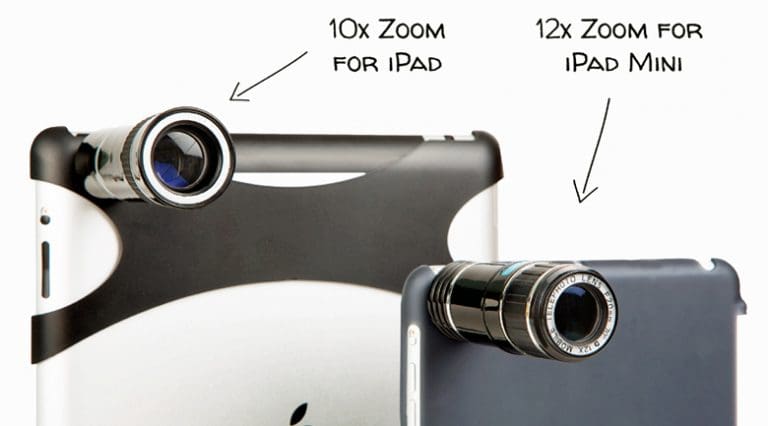
Priced at $25, the telephoto lens for the iPad offers a 10x zoom, while the lens for the iPad mini offers a 12x zoom. The lens is easily attached and removed for storage by unscrewing it from the mounting hardware. Using either of these lenses will allow you to see farther without hurting the quality of your photos.

Since most of us bring our tablets on vacation anyway, well at least I do because I cannot go anywhere without my e-books, it would not mean packing anything extra except the lens and it would result in better quality pictures.

Telephoto lens for all smartphones

test-product-page-673a
There is also a lens for the smartphone market, which the company claims is compatible with all phone models, or any device that has a lens on it really, but specifically Android, Samsung, iPhone, and Blackberry. The web site also states that these will work with iPads. The lenses made for iPhone 4/4S and the iPhone 5 are designed with extra strong rings so they will stick to the glass but not block the flash or the mic. Photojojo offers four different lens options: fisheye, telephoto, wide angle and macro.

  • Fisheye lens is an ultra wide angle lens that wraps your photos into round, hemispherical images.
  • Telephoto lens gives you’re the ability to zoom in two times closer.
  • Wide Angle/Macro lens is a 2-in-1; the removable macro ring capture high-quality, close-up detail and the wide angle expands your view.

The price for all four lenses (with the wide/macro sold as one lens, even though it has two options), is $49, or you can buy them individually with prices ranging from $20-25 each. If you take a lot of photos with you phone, it’s worth trying out, especially the wide/macro option.

iPhone telephoto lenses come with a tripod and case

lens
There is also a package that is strictly for iPhone 4/4s and iPhone 5 users. The web site states, “it’s like a Sigma 500mm for your iPhone camera.” That’s a pretty big statement and at the price of $35.00, it’s hard to turn down. The package includes the 8x lens, a tripod and a case.

The downside? You have to use the black case included in the package in order to use the lens. It must be screwed in to that case. But, it does boast a 8x-12x zoom, so it is a trade-off to consider. There are before and after pictures on the web site to offer a comparison. To use the lens, once it’s installed, you twist the grip on the lens’ manual focus ring to make it sharp and then snap.

If you enjoy taking pictures, the price point isn’t too bad to give it a try. And the quality of the pictures seems to be greatly improved, judging by the results on their website and all the fan reviews.